


Owning a home comes with real costs, and not all of them are easy to predict. A water heater that gives out, a furnace that stops working mid-winter, or a built-in microwave that simply won’t turn on. All of these can each leave a significant dent in your budget. So, understanding “what does a home warranty cover” is the first step toward protecting yourself from those surprises.
A home warranty is a service contract that covers repairs and replacements for major appliances and systems when they break down through normal use. Unlike homeowners insurance, it isn’t tied to accidents or disasters, it covers the everyday wear and tear that every home eventually faces.
If you already have homeowners insurance, home warranties fill the gap it leaves behind. Together, they give your home well-rounded financial protection.
Whether you’re dealing with an older home or simply want more predictable repair costs, a warranty can provide valuable peace of mind. Call 800-670-8931 or click below for a free quote.
The short answer is yes. A homeowner’s warranty and homeowners’ insurance are two very different pieces of coverage. Having both is important when it comes to protecting your assets and saving you money in the long run.
Many people get these two kinds of plans confused. With so much information and so many different providers to choose from, it’s easy to see why. So, let’s break things down and take a look at what separates homeowners’ insurance from a warranty.
Homeowners insurance, or home insurance as it’s sometimes called, protects your home and belongings in accidental cases. Events such as fires, thefts, fallen trees, floods, and other natural disasters are usually covered under a homeowners insurance policy.
Home warranty coverage, on the other hand, protects appliances and other systems within your home when they break down from daily use. Let’s say your trusty refrigerator decides today is the day it’s kept your food cold long enough, and the compressor gives out. It can save the day by covering repairs or replacement costs.
In short, homeowners insurance helps during accidental damages, and a warranty helps during appliance or system breakdowns from normal, everyday use.
For example, homeowners in states like Virginia, where humid summers, coastal storms, and cold winter spells can put added stress on HVAC and plumbing systems, often look for a trusted home warranty provider in Virginia to help manage everyday wear and tear that insurance simply doesn’t cover.
Homeowners insurance typically covers four main categories:
Let’s take a closer look at these four areas to see how homeowners’ insurance typically protects you:
A warranty covers the mechanical wear and tear of a wide variety of appliances and systems within your home. If these need repair or replacement, a warranty even helps alleviate the headache of finding the right repair person or contractor to get the job done.
Let’s look at the category of items that home warranties can protect:
Let’s get into the details one by one:
Few home systems affect your daily comfort as directly as your HVAC. When it stops working, especially during peak summer or winter months, repairs can be costly and urgent. Central AC and HVAC system repairs often cost hundreds of dollars, and full replacements can exceed several thousand dollars. A warranty helps absorb that cost, so a breakdown doesn’t become a budget crisis.
This is especially true in colder climates like Lewiston, Maine, where heating systems run for months at a stretch and a single mid-winter failure can mean an urgent, expensive repair. Homeowners there often turn to a home warranty company in Lewiston, ME to keep those costs predictable through the coldest part of the year.
Industry Insight: The average repair cost for a central air conditioning unit can run up to $1,300.

Your ductwork is the delivery system behind every room in your home, keeping it warm or cool. When ducts develop leaks, blockages, or structural damage, your HVAC system works harder, driving up energy bills and reducing comfort throughout the house. Ductwork repairs are rarely cheap, and they’re easy to overlook until the problem grows. A homeowner’s warranty coverage ensures you’re not caught off guard when duct issues surface.
Industry Insight: Leaky ducts can cause your HVAC system to lose up to 30% of its airflow, significantly increasing your energy costs.
Your home’s electrical system runs constantly in the background, powering lights, outlets, appliances, and everything in between. When wiring, panels, or internal components fail, repairs require a trained technician and can add up quickly. Electrical issues also can’t be ignored or delayed, making coverage especially valuable for keeping repair costs predictable.
Industry Insight: The average cost to repair or replace a home electrical panel ranges from $500 to $2,500, depending on the complexity.
Learn more about what may be included in electrical system protection by reading our blog, “Home Warranty for Electrical System: What’s Covered?”
Hot water is one of those things you don’t think about until it’s gone. A failed water heater means cold showers, disrupted routines, and a repair bill that often comes without warning. Whether you have a traditional tank unit or a tankless system, breakdowns happen, and replacement costs can climb well above $1,000. Home warranty coverage means you have a plan in place before the problem shows up.
Industry Insight: The average cost to replace a water heater ranges from $800 to $1,600, including parts and labor.
Since these are assets used every day by families, it’s important to be ready in case of a breakdown. Kitchen appliances will typically last for years, but when they fail, you can incur high costs for a repair or replacement if you don’t have a warranty.
Industry Insight: The average repair cost of a refrigerator can run up to $500.
Many important mechanical parts of in-ground pools and spas are covered under some home protection plans, such as the filtration and heating systems. If you take care of your home’s lawn, the sprinkler system can also be covered.
Industry Insight: The average repair cost of a pool can run up to $560.
Washers and dryers are prone to common mechanical mishaps that happen through daily wear and tear. They’re also tough to fix and require special parts that a service professional should be able to help with. Of course, calling upon a professional for washer and dryer repair can be costly in the absence of home warranties.
Industry Insight: The average repair cost of a washer can run up to $450.
The last thing you want to encounter as a homeowner is a plumbing issue. Home warranties can cover septic systems, plumbing stoppage, sump pumps, and even well pumps. Don’t get your hands dirty trying to solve these mechanical issues when a warranty coverage can send over a service professional to get the job done.
Industry Insight: The average repair cost for a plumbing system can run up to $800.
Not every home has the same needs, and Select Home Warranty’s tiered best home warranty plans are built with that in mind. Whether you are covering a single appliance or your entire home’s systems, our Bronze, Gold, and Platinum Care plans give you the flexibility to choose coverage that fits your budget and your home.
You can sign up online for a free quote or call us at 800-670-8931 with any questions. Our Platinum plan covers all listed core appliances and systems, from refrigerators and dishwashers to heating, plumbing, and electrical. Bronze and Gold plans cover a defined selection of each, so you only pay for what you actually need.
Need coverage beyond the standard plans? We offer optional add-ons for pools, septic systems, well pumps, and more. Once your coverage is active, reaching out when something goes wrong is straightforward; we handle the rest.
A home warranty works by covering the cost of repairs or replacements when a home appliance or system breaks down due to normal wear and tear. When something goes wrong, you contact your provider, and they send a technician to assess the problem. You pay a fixed service fee instead of the full repair cost out of pocket. This is the core of how it works.
Getting covered with Select Home Warranty takes minutes. Start by telling us what your home needs. From there, you’ll choose between our Bronze, Gold, or Platinum Care plans. Bronze and Gold cover a defined set of core appliances and systems.
Platinum covers everything on our list: washing machines, refrigerators, dishwashers, heating, plumbing, electrical, and more. If you need coverage for a pool, septic system, or well pump, check our add-on options before finalizing your plan.
Once you are covered, filing a claim is simple:
Your appliances and systems work hard every day. When one of them breaks down, the last thing you should face is a repair bill that wipes out your savings. A home warranty service keeps that from happening, giving you a predictable, low service fee instead of an unpredictable out-of-pocket expense.
Home warranties can also help increase your home value if you’re planning to sell. Buyers actively look for properties with existing coverage because it removes the anxiety of costly repairs in the first year of ownership. Select Home Warranty plans are transferable, so your coverage moves with the home, making it a genuine selling point that can speed up your sale and strengthen your listing.
Whether you are staying put or preparing to sell, the right plan protects both your home and your finances. Don’t forget to check our latest offers. We regularly include discounts, free first-month coverage, and complimentary coverage on select items.
Looking for the home systems and appliance protection plan that’s right for you?
Check out the latest warranty plans today or give us a call: 800-670-8931.
Yes, we offer sump pump coverage. The agreement covers components of the sump pump for groundwater, provided the pump is within the foundation of the covered home.
No, Select Home Warranty does not cover fireplaces or chimneys.
Yes, we offer coverage on garage doors. This includes control boards, motors, chains, belts and gears, as well as the pulley, sheave fork, axle bolts, and switches.
Yes, we offer coverage on lawn sprinkler systems. This includes all mechanical components that affect operation.
Yes, we offer coverage on the following pool or spa components, including the pumping system, filtration system, and heating system. This agreement covers both the pool and/or hot tub or spa if they use common equipment. In the event the pool and spa or hot tub do not use common equipment, then only one will be covered.
Yes, we offer coverage on electrical system components. This includes wiring, service panels, sub-panels, switches, breakers, outlets, junction boxes, and ground fault interrupters.
Yes, we offer coverage on plumbing system components, including line leaks in water, drain, waste, or vent lines not caused by damage resulting from freezing or from roots, toilet bowls, toilet tanks, toilet flushing mechanisms, angle stops, and risers. We also offer coverage on stoppages in drain, vent, and sewer lines up to 100 feet from the access point, except if caused by roots. Mainline stoppages are only cleared when there is an accessible ground level clean out. We also offer septic system coverage.
Yes, we offer garbage disposal coverage, including all modules, components, and parts of the garbage disposal necessary to its function.

Don’t wait until it’s too late! Check out our current plans and get your free quote.
Household Tips
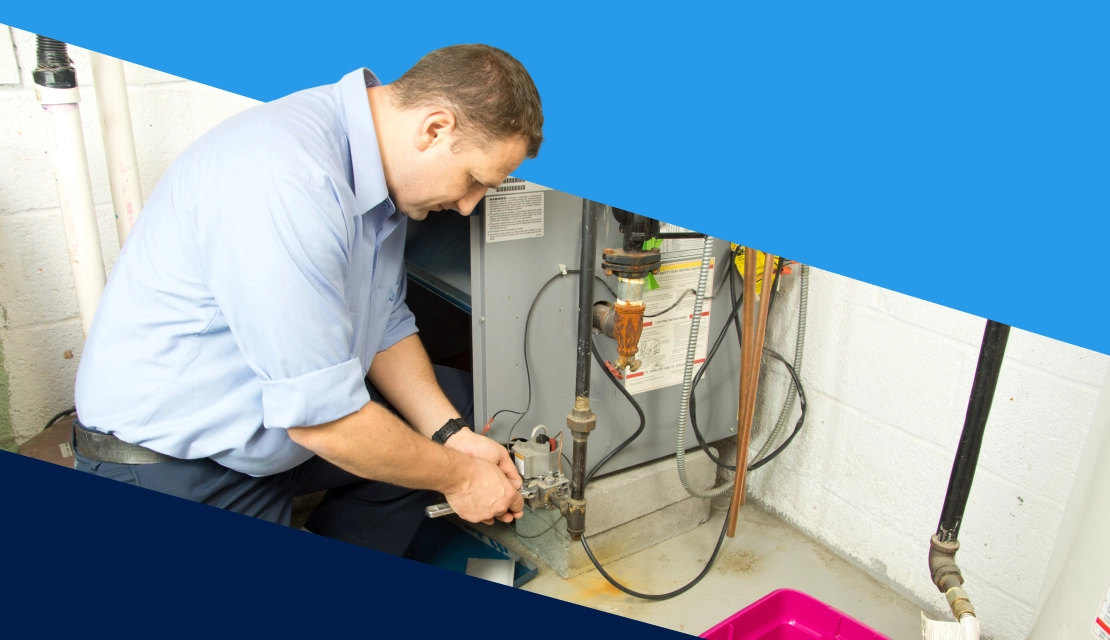
If your heat suddenly cuts out during a cold night, knowing how to replace a furnace ignitor can save you time and worry. Many homeowners try simple DIY repairs when..
Household Tips
“Eww… is that smell coming from the hot water?” If you are picking up on a strange water heater smell, something like rotten eggs or a weird burning plastic scent,..

Household Tips
A hot tub is the perfect way to relax at the end of a hard day. Of course, when you fire yours up, you don’t want that R&R disrupted by..