


You bought a home warranty to avoid surprise repair bills, but then a claim gets denied. That happens more often than you would think, and usually because of a coverage exclusion buried in the fine print. Knowing what your plan does not cover is just as important as knowing what it does. Before you sign anything, here is what to watch out for. Home warranty exclusions and coverage limits can vary when comparing warranty companies.
Not every exclusion is obvious at first glance, not because they are unusual, but because no one pointed them out at signup. A little time spent reading your contract now can save you a frustrating conversation with your provider later.
That said, most omissions are pretty standard. Here are the most common exclusions to remember when buying a home warranty for your property.
While home warranties cover a lot, they don’t cover everything. They are meant to protect against the failure, malfunction, and breakdown of properly maintained home systems and appliances.
So, how do home warranties help?
It helps by covering costs for repairing or replacing protected parts, appliances, and systems, regardless of age. Before you buy any warranty, it’s essential to understand your coverage because there are also limitations. After all, you don’t want to expect protection for something that was never covered in the first place.
Homeowners can choose location-specific plans designed to provide more relevant and comprehensive coverage based on local needs. For instance, in Lubbock, Texas, where heating systems and HVAC units work hard through both harsh winters and hot summers, understanding exactly what falls inside and outside that coverage is critical. Exploring home warranty in Lubbock before you sign gives you a cleaner baseline.
Home warranties are designed to cover functionality, not appearance or factory-related issues. Cosmetic damage like scratches, dents, or chipped surfaces that don’t affect performance is typically excluded. If your dishwasher runs fine but the panel is cracked, that claim will likely be denied.
Similarly, breakdowns caused by manufacturer defects or recalled parts aren’t covered, as these fall under the manufacturer’s responsibility, not the warranty provider.
Home warranties won’t cover problems caused by improper installation. If a system or appliance wasn’t set up correctly, whether due to faulty wiring, incorrect fittings, or construction-related errors, any resulting breakdown is usually excluded. The plan covers mechanical failure, not problems that were built in from the start.
If a system or appliance was already malfunctioning before your coverage kicked in, do not expect your warranty to pick up that bill. Most providers will not cover issues that existed at the time of signup. This is a pretty standard rule across the board. Since the problem wasn’t new, the responsibility doesn’t fall under warranty coverage, and claims related to it are often denied.
You need to remember that a home appliance warranty is not a substitute for basic upkeep. If a system or appliance breaks down because it was misused, overloaded, or simply never maintained, your provider has grounds to deny the claim. Regular servicing and proper use are your responsibility. The warranty covers mechanical failure, not the consequences of neglect.
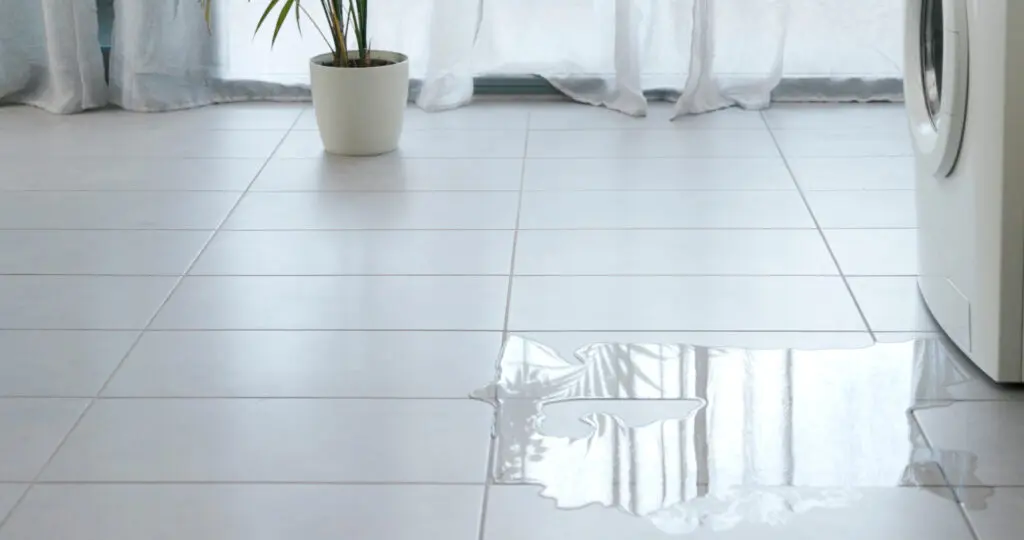
A warranty covers the failed component, not everything affected by it. If a faulty pipe damages your flooring or a malfunctioning appliance ruins nearby cabinetry, that resulting damage is typically not included. The same applies to a roof leak; the warranty may cover fixing the source of the leak, but not the water damage or mold that follows. It addresses the problem itself, not the impact it creates.
Home warranties cover the systems and appliances inside your home, not the structure holding it together. Foundation cracks, roof damage, walls, and load-bearing elements fall outside standard coverage. Those fall under the construction or homebuilder’s warranty, which is a type of builder-provided insurance contract. If the issue is with what keeps your home standing rather than what keeps it running, your warranty will not apply.
Damage caused by natural events like storms, floods, earthquakes, or wildfires also comes under home warranty exclusions. If a storm takes out your HVAC or a flood damages your water heater, that claim will not hold up under a warranty plan. Natural disaster coverage is what homeowner’s insurance handles; these two products serve very different purposes.
If termites chew through your wiring or rodents damage your ductwork, your warranty will not cover the repairs. Pest-related damage falls outside standard coverage, that is, pest control territory. A warranty covers mechanical and system failures, not infestations or what they leave behind. Keeping pests out remains your responsibility as a homeowner.
Home protection plan doesn’t cover issues with systems or appliances relating to toxic or hazardous materials. Among others not listed, this can include:
Limits for home warranties vary by provider and the extent of your coverage. For example, when you sign for a plan with Select Home Warranty, your coverage begins 30 days from your first payment, so long as your account is paid in full and has no unsettled payments.
Other limits apply to which types of properties can be covered under the plan. Our warranties are intended for single-family dwellings, individual condominium units, townhouses, and modular homes.
Coverage is not available for commercial properties; residential properties used for business purposes (e.g., dwellings used for rest homes, day care centers, schools, professional offices). We also do not cover the common areas in condominiums and multi-family houses.
It’s important to understand the full terms of your service contract with any warranty. To see what these policies might look like, check out our sample contract. (Just know that the terms of your engagement may differ from the sample.

While home warranty exclusions exist, a warranty still covers a wide range of systems and appliances that keep your home running day to day. Most standard plans typically cover:
Systems:
Appliances:
Beyond the basics, the best home warranty plans also offer add-on options for items like pools, septic systems, and second refrigerators. This allows you to build a plan that fits your home more closely.
Coverage through Select is comprehensive and flexible. We offer multiple plans you can personalize with add-ons to match your specific needs. Whether you are buying your first home or protecting one you are getting ready to sell, there is a plan that fits.
Home warranties can take the edge off unexpected repair costs, but only if you understand how it actually works. Home warranty exclusions and coverage limits are part of every plan, and they often determine whether a claim gets approved or denied. Taking the time to read the fine print now can save you from confusion later.
When you know what’s covered and what’s not, you can choose a plan that truly works for your home. If you need help understanding your options, give us a call at 800-670-8931.

Don’t wait until it’s too late! Check out our current plans and get your free quote.
Household Tips
A plumbing stoppage is one of those problems that every homeowner dreads. One moment, your pipes seem fine, but then you are stuck with a sink that refuses to drain..

Home Warranty
Your appliances work hard around the clock. They need maintainance at certain times, but does this mean you should purchase a home warranty at certain times, too? Whether you’ve been..
Household Tips
Home appliances make our lives so much easier and more convenient, taking care of daily chores and creating a comfortable living environment. But while they are indispensable in homes, they..