

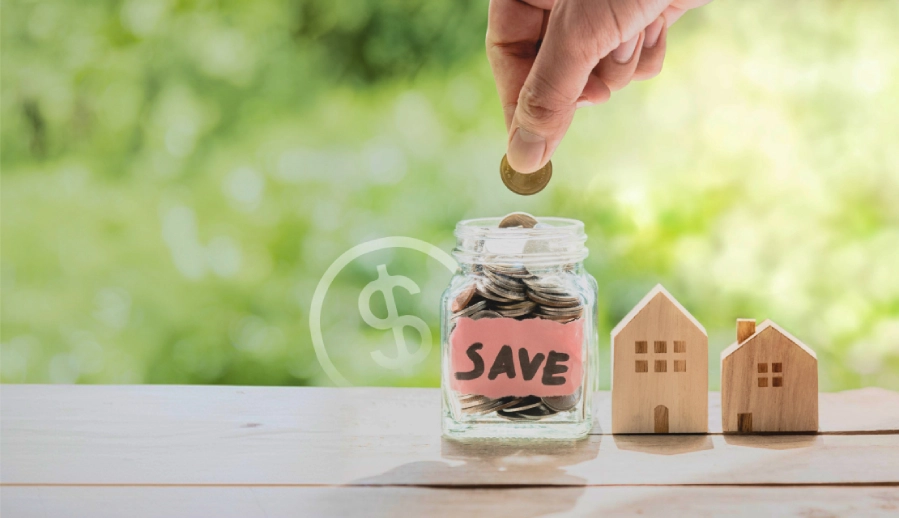
Figuring out how to save for a house can feel like staring at a very large number and wondering where to even begin. The dream is easy to picture: your own front door, your own keys, but the savings goal? That part feels heavy.
Saving for a home doesn’t have to start with a perfect bank balance. It begins with a clear plan and realistic numbers. Good thing you found this guide. Here, we’ll walk through a practical, step-by-step approach to building your house fund. We’ll also discuss honestly about the common roadblocks that can slow you down and how to overcome them.
Buying your first home starts long before you tour listings. It begins with numbers, habits, and a realistic timeline. If you take the right steps early, saving feels organized instead of overwhelming.
Start with research, not guesswork. Look at home prices in your preferred area and talk to a lender about what you may qualify for. Most homebuyers focus only on the down payment, but you’ll also need cash for inspections, appraisals, and other upfront fees.
According to The Mortgage Reports, closing costs alone usually range between 2% and 5% of the purchase price. On a $350,000 home, that could mean $7,000 to $17,500. Add moving expenses and the hidden costs, and your full target becomes clearer.
Quick breakdown to calculate your goal:
Put all of this into one master number. That’s your true savings goal.
Once you know your target, work backward. Choose a purchase timeline, then divide your savings goal by the number of months available. This gives you a monthly benchmark. Next, adjust your budget to free up room. Review recurring expenses and redirect what you can into a dedicated house fund. Consider small but consistent changes such as:
Automation keeps the plan consistent. According to a Yahoo Finance article, automatic savings plans work because once you’re enrolled, you’re likely to stick with them without constant effort. Setting up recurring transfers from checking to savings helps you build consistency and grow your funds without having to think about it every payday.
Also, if you keep the money in a high-yield savings account, you can earn modest interest while staying accessible
Saving is only one part of preparation. Lenders review credit score, debt-to-income ratio, and payment history. Improving these areas before applying can reduce long-term borrowing costs. So, you need to focus on paying down high-interest debt, avoiding new credit accounts, and checking your credit report for errors. Keep your credit utilization below 30%.
Also, practice “test-driving” your future mortgage. If you expect a $2,200 monthly payment, start saving that amount now. The difference between rent and that projected payment goes straight to your house fund. This builds discipline and shows you if the number feels realistic.
Finally, think about what happens after closing. Imagine buying a home in Phoenix and adding a Phoenix home warranty in your first year. In Arizona’s hot climate, HVAC systems work hard, and having warranty coverage can help manage unexpected repair costs early in ownership. Planning for that upfront keeps your budget stable during the transition.
Before finalizing your savings target, check if you qualify for a government-backed mortgage, as this can directly influence how to save for a house more efficiently. Programs like FHA loans allow buyers to purchase with lower down payments, though they may include mortgage insurance requirements. These options can reduce the upfront cash you need.
Eligible veterans, active-duty service members, and reservists may qualify for VA loans, which often require no down payment. Review official U.S. government home loan resources to compare benefits, limits, and eligibility details before adjusting your savings strategy.
Before setting a firm savings number, spend time reviewing home prices in the neighborhoods you’re considering. Local pricing trends directly influence how much you’ll need for your down payment and prepaid costs. Looking at recent sales gives you a realistic benchmark instead of relying on rough estimates.
Use trusted real estate platforms to compare listing prices, square footage, property taxes, and days on market. Virtual tours and price history tools can also help you understand value patterns before you commit to a purchase timeline.
You can check the real estate websites below for details:
If Raleigh, North Carolina is on your shortlist, this research matters even more, since home prices across neighborhoods like North Hills and Five Points can vary widely due to the area’s fast-growing tech and research job market. Buyers who factor in a home warranty protection in Raleigh early can budget for the systems that come with an older Raleigh bungalow just as confidently as they do the purchase price.
Your down payment directly affects both your upfront costs and your long-term loan terms. For example, on a $300,000 home, a 10% down payment means $30,000 upfront, while 20% equals $60,000. A higher amount reduces the loan balance and can lower your monthly mortgage payment.
Putting down 20% may also help you avoid private mortgage insurance (PMI), which adds to your monthly costs. Still, many first-time buyers choose smaller down payments to purchase sooner. The right choice depends on your savings pace, comfort level with monthly payments, and overall financial stability.
Saving for a home rarely moves in a straight line. Even with a clear plan for how to save money for a house, real-life expenses and financial pressure can slow your progress. The key is preparing for common setbacks before they disrupt your goal.
Here are a few challenges many first-time homebuyers face, and practical ways to handle them.
Credit cards and personal loans with high interest rates can quietly drain the money you’re trying to save. Large monthly payments limit how much you can put toward your house fund.
Start by focusing on the highest-interest balances first. You can also explore debt consolidation or structured repayment plans. Reducing interest costs frees up more room in your budget for consistent savings.
Car repairs, medical bills, or urgent home repair or maintenance costs can quickly redirect your savings. Without a backup cushion, you may have to dip into your down payment fund.

Build an emergency fund with three to six months of essential expenses. If something unpredictable happens, temporarily adjust your savings amount instead of stopping completely. Include budgeting for unexpected home repairs early, so you’re financially prepared beyond just the purchase price. Even small contributions keep your plan moving forward.
Saving for a house can take months or even years. It’s easy to lose focus when progress feels slow or other priorities compete for attention.
Break your goal into smaller milestones and track them monthly. Watching your balance grow, even gradually, builds confidence. Remind yourself why you started and revisit your vision regularly to stay committed to the bigger picture.
Saving for a house works best when it’s detailed, intentional, and realistic. The earlier you build structure around it, the smoother the buying process feels when your offer is finally accepted.
When you’re figuring out how to save money for a house, it’s easy to focus only on the down payment and closing costs. But thinking ahead about ongoing expenses can make your journey smoother and less stressful. A home appliance protection plan is a smart addition to your plan, covering repairs for key systems and appliances that could otherwise hit your budget unexpectedly.
By including this type of coverage from the start, first-time buyers can manage surprise costs without derailing savings goals. It’s a practical step that protects both your home and your finances while keeping your dream within reach.
Ideally, you should save at least enough for a down payment (typically 3–20% of the home price) plus additional funds for closing costs, moving, and unexpected repairs.
A 20% down payment can lower your monthly mortgage payments and help avoid PMI, but buying sooner with a smaller down payment may make sense if it fits your financial comfort level.
The timeline varies widely, but many first‑time buyers find it can take several years depending on income, expenses, and local housing costs.
Yes, a separate account helps you clearly track progress, reduce temptation to spend, and often earns more interest if it’s a high‑yield account.
Disclaimer: The information in this article is intended to provide guidance on the proper maintenance and care of systems and appliances in the home. Not all the topics mentioned are covered by our home warranty plans. Please review your home warranty contract carefully to understand your coverage.
Our blogs and articles may link to third-party sites that offer products, services, coaches, consultants, and/or experts. Any such link is provided for reference only and not intended as an endorsement or statement that the information provided by the other party is accurate. We are not compensated for any products or services purchased from these third-party links.

Don’t wait until it’s too late! Check out our current plans and get your free quote.
Home Warranty
Just closed on your new home and feeling great? You think you are almost done. Papers signed, keys in hand, and then someone drops the question: "Is a home warranty..
Home Warranty
Let's be honest. Nobody budgets for a broken water heater. It just happens, and usually on a Sunday night after a long week. That's the reality of homeownership. Things break...
Real Estate
Homeowners strive for peace of mind and responsible spending. When it comes to buying or selling a home this year, the stakes have never been higher. Select Home Warranty provides..