


That late-night message about a broken water heater or a non-working AC isn’t something landlords or hosts look forward to. Rental properties come with their own set of maintenance surprises, and they rarely happen at a convenient time. If you manage a rental or list your property, you have likely wondered whether a home warranty for landlords and Airbnb hosts is actually worth it.
This blog post breaks down who actually benefits from a plan, what it covers, and how it compares to self-insuring your rental portfolio. The goal is to help you make a practical call based on your property type, volume, and financial setup.
Rental properties take more wear than owner-occupied homes. Tenants and Airbnb guests don’t always catch small issues early, and cycle through systems at a much higher rate. A home protection plan is structured to cover exactly the kind of failures that come with heavy and everyday use.
According to a CNBC article citing data from the home services platform Angi, homeowners spend an average of $1,953 on emergency home repairs. For rental owners managing multiple units, those costs multiply fast, making the benefits of a home warranty worth considering.
The majority of landlords cite maintenance coordination as one of their top operational challenges. Needless to say, for Airbnb hosts, guest experience is closely tied to property conditions. Even small issues can impact ratings. Hence, a well-organized repair service experience helps maintain consistency.
Should you pay for repairs out of pocket or let a plan handle it? The right choice depends on the age of your property, how many units you manage, your cash reserves, and whether you rent long-term or short-term. Below are the most common landlord profiles and what tends to work best for each.
If your rental property is older than 10 years, a home protection plan can cover repairs in a more cost-effective way. It often saves you more than paying for each repair out of pocket.
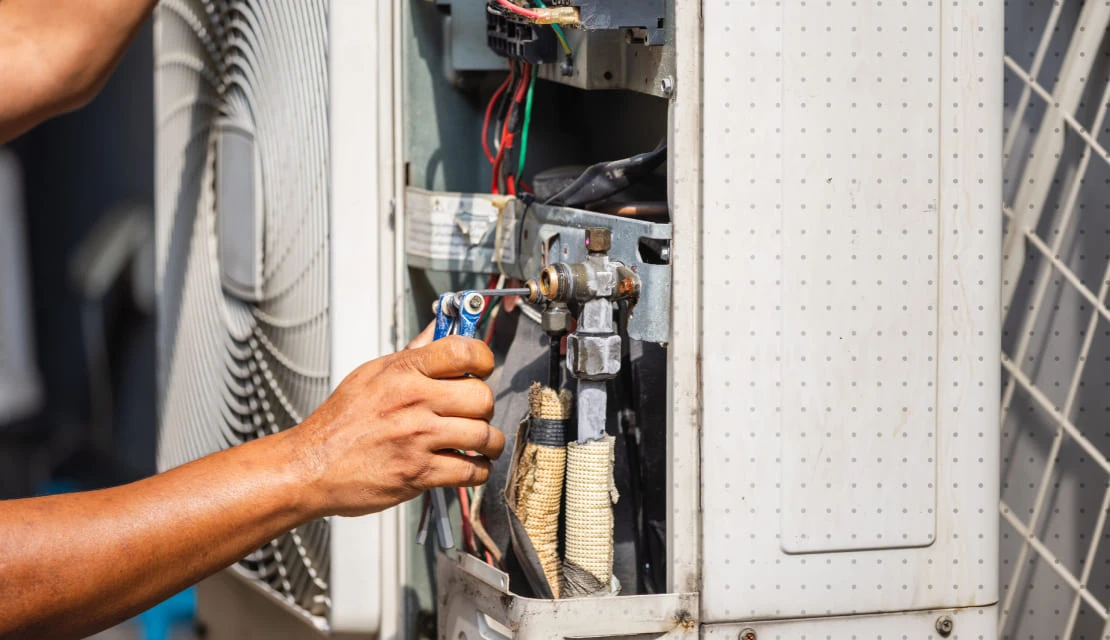
Aging systems, such as old HVAC units, water heaters, washers, dryers, and dishwashers, are statistically more likely to need service. If you handle repairs on your own, the costs can add up quickly, as shown below:
When multiple issues come up in a year, it’s not unusual for landlords to spend $2,000–$6,000 or more out of pocket on maintenance and replacements.
According to the NAHB Study of Life Expectancy of Home Components, HVAC systems last 10–25 years, and water heaters average 15-20 years. So, for a single-property landlord with limited reserves, a $500–$700/year plan that covers that risk is a reasonable trade. You also avoid the stress of chasing contractors during peak summer or winter demand.
One repair bill is manageable. But five bills, across five different properties, in the same quarter? That adds up fast. When you own multiple rentals, unexpected breakdowns stop being rare exceptions; they become a regular cost of doing business. Without a plan in place, your reserve fund takes a hit every single time.
When you are managing five, ten, or more units, coordination becomes the main challenge. Finding different contractors for different properties takes real time and energy. Many home warranty companies offer multi-property discounts or portfolio coverage.
A single plan per property, through the same provider, means one phone number and one claims process across your entire portfolio. It eliminates the technician sourcing and dispatch layer, which is often the most time-consuming part.
A short-term rental doesn’t get the same appliance use as a primary home. A property running 200+ guest nights a year cycles through HVAC, plumbing, and kitchen appliances at a relentless pace. One broken AC mid-booking can mean a cancellation, a bad review, and lost future revenue.
Maintenance issues are a common reason for negative feedback, especially for Airbnb hosts managing properties remotely or across multiple listings. Delays in getting repairs done can directly impact guest experience and ratings, making quick technician dispatch essential.
This becomes even more critical in high-demand vacation markets like Florida, where guest turnover is constant, and AC systems run year-round. In such cases, partnering with a trusted warranty company in Florida can help minimize downtime during peak booking seasons while keeping repair timelines under control.
Not all home protection plans are built with rental use in mind. Before signing up, there are a few things worth checking to make sure the coverage actually fits a rental context.
Rental property eligibility: Not all providers allow coverage for rental or short-term properties. Some plans are structured for primary residences only. Always verify whether the plan covers non-owner-occupied properties and whether short-term rental use is included or excluded.
For rental owners, a home protection plan is a reliable way to manage ongoing repairs and keep maintenance costs more manageable. Older systems, remote ownership, high guest turnover, and back-to-back bookings all create exactly the kind of unpredictable repair exposure a plan is built to absorb.
The landlords who skip coverage and rely on reserves often find out the hard way. One HVAC replacement or plumbing failure can wipe out months of rental income. A warranty keeps that exposure capped and your response times short.
If you manage one rental or ten, the starting point is the same. You need to find the best home warranty service that explicitly covers rental and investment properties. Look closely at coverage limits and how they match your actual repair costs. For most landlords, the focus isn’t on adding another expense, but on keeping repair costs predictable and easier to handle.

Don’t wait until it’s too late! Check out our current plans and get your free quote.
Household Tips
If you’re tired of dealing with rotting food and excess waste, a garbage disposal is perfect for your kitchen. A garbage disposal is an easy-to-use appliance that will save time..
Home Warranty
A home appliance warranty helps homeowners manage the unexpected costs of repairing covered appliances and systems when they break down. Congratulations on owning your home! Homeownership brings pride, stability, and.....

Home Warranty
Confusion often arises when comparing Homeowners Insurance Vs Home Warranty and their unique benefits. It’s not uncommon for people to ask whether a home warranty’s worth it, especially if you..