


You hear a strange noise coming from the laundry room. The washing machine that has worked fine for years suddenly stops. A quick online search leads to a service call. The technician arrives, diagnoses the issue, and delivers the news.
The repair will cost several hundred dollars, and parts may take weeks to arrive.
This scenario plays out every day.
Unexpected repair bills for homeowners are no longer minor inconveniences. Inflation has driven up the cost of labor, replacement parts, and service calls across nearly every trade. What once felt manageable now disrupts household budgets. Even homeowners who are financially responsible can be caught off guard by sudden expenses for appliances and technology.
This is where a home warranty comes into play. As homeownership costs continue to rise, a home warranty offers a way to manage repair expenses and reduce financial burden. Protecting your money from inflation is not just smart planning, it is essential.
Inflation over the past few years has affected much more than groceries and fuel. Home repair and maintenance costs have risen sharply as labor shortages, higher material prices, and increased demand place pressure on service providers. According to industry data*, home service costs have increased by roughly 20 to 30% since before COVID-19, with some trades seeing even steeper increases.
Even basic service calls now come with higher minimum charges before any work begins.
Consider how common home repair expenses have changed.
Handyman service calls that once averaged $75 to $100 per hour are now more than $125, especially in metro areas. Appliance repairs that once cost $150 to $250 can easily reach as much as $600 once you factor in parts and labor. HVAC service calls have seen some of the sharpest increases. A standard repair that once fell under $300 can now climb well beyond $800 for older systems.
Emergency repairs add another layer of cost. After-hours or same-day service routinely include premium fees that can double the total bill.
Many of the most expensive repairs involve systems homeowners rely on daily. Water heaters fail without warning. Refrigerators stop cooling. Air conditioning systems struggle during peak summer months. These are not optional repairs. Delaying them often leads to additional damage and even higher expenses.
Skilled labor shortages have significantly impacted home services. Electricians, plumbers, HVAC technicians, and appliance repair professionals are in high demand. To attract and retain qualified workers, service companies have raised wages (expenses that are passed directly to the homeowners).
Even long-standing relationships do not protect homeowners from these increases. Loyalty does not offset rising payroll costs.
The cost of replacement parts has also increased. Supply chain disruptions and manufacturing costs have driven up prices for everything from control boards to compressors. Appliances are more complex than ever, which means fewer low-cost fixes and more expensive parts.
Emergency repairs are especially costly. When a furnace fails during winter or a major appliance breaks down during a holiday weekend, homeowners often have no choice but to pay premium rates. These situations are stressful and financially disruptive.
The most challenging aspect of rising home repair costs is unpredictability. Homeowners cannot budget accurately for repairs that vary widely in price and timing. One unexpected breakdown can disrupt monthly finances or increase credit card use.
A home warranty functions as a financial buffer against rising repair costs. Instead of paying the full market price for service, homeowners pay a predictable annual or monthly fee. This turns unpredictable expenses into manageable costs.
In an environment where service prices continue to climb, this predictability becomes increasingly valuable. Many homeowners view the best home warranty options as a practical form of inflation protection for their homes.
With a home warranty, covered repairs typically require a fixed service fee rather than an out-of-pocket expense. This means a refrigerator breakdown or HVAC issue does not derail a household budget.
Predictability is the key advantage. While no plan can eliminate every expense, a Top home warranty reduces exposure to large, sudden repair bills that are becoming commonplace in today’s economy.
Home warranty plans generally cover major home systems and appliances, including heating, cooling, electrical, plumbing, refrigerators, ovens, washers, dryers, and water heaters. Coverage varies by plan, allowing homeowners to select protection that aligns with their needs.
This flexibility is especially valuable for older homes, where systems and appliances are more likely to fail and replacing them is more expensive.
Rather than reacting to inflation, homeowners who choose the best home warranty plans take a proactive approach. They plan for repairs before they happen, rather than scrambling when something breaks. This is the difference between financial confidence and stress.
Financial protection is only part of the value. Home warranties also provide peace of mind. When something breaks, homeowners know exactly who to call and what steps to take. There is no need to research providers or worry about being overcharged during a stressful situation.
Home warranty companies work with networks of licensed and vetted service professionals. This saves homeowners time and reduces the risk of hiring unqualified or unreliable contractors. In a market where demand is high, access to reliable service is a significant advantage.
Many home warranties offer around-the-clock claims submission. When a system fails at night or over the weekend, help is still available.
That round-the-clock access matters even more in a city like Fargo, North Dakota, where a heating failure overnight during an early winter cold snap can quickly become a genuine safety concern. Homeowners there often choose the most trusted home warranty company in Fargo specifically for that guaranteed after-hours response.
The claims process is designed to be straightforward. Homeowners submit a request, a service provider is assigned, and repairs are coordinated. This simplicity removes much of the friction associated with managing repairs independently.
For homeowners seeking a top home warranty, these non-financial benefits are as important as the cost savings.
A home warranty usually covers major home systems and appliances, including HVAC systems, plumbing, electrical components, kitchen appliances, and water heaters. Coverage depends on the specific home warranty plan selected.
Annual home warranty costs are typically far lower than the price of a major repair. One HVAC repair or appliance replacement can exceed the cost of an entire year of coverage.
Yes. A home warranty helps protect homeowners from escalating repair expenses. It offers predictability at a time when repair costs are increasingly volatile.
Service timelines vary, but most providers coordinate service within a reasonable timeframe. Emergency issues are often prioritized, especially for systems like plumbing.
Home insurance covers damage from events like fires, storms, or theft. A home warranty covers wear and tear breakdowns of systems and appliances. They serve different purposes and often work best together.
Older homes often benefit the most from home warranties due to aging systems and appliances that are more prone to failure.
In most cases, the warranty provider assigns a service professional. This ensures quality control and consistent pricing.
Inflation has changed the financial reality of homeownership. Repairs cost more; service is harder to secure; and unexpected breakdowns carry greater financial risk than ever before. For homeowners seeking stability, a home warranty offers a practical solution.
By converting unpredictable repair costs into manageable expenses, a home warranty helps protect both your home and your budget, as well as your well being.
If you are looking for a best home warranty that helps you stay ahead of rising homeownership costs, a comprehensive plan can make all the difference. Check out Select Home Warranty Plans to see if they fit your needs.
*Bankrate/Thumbtack/Jobber data show cost increases of 20–30%, depending on category and time frame.

Don’t wait until it’s too late! Check out our current plans and get your free quote.
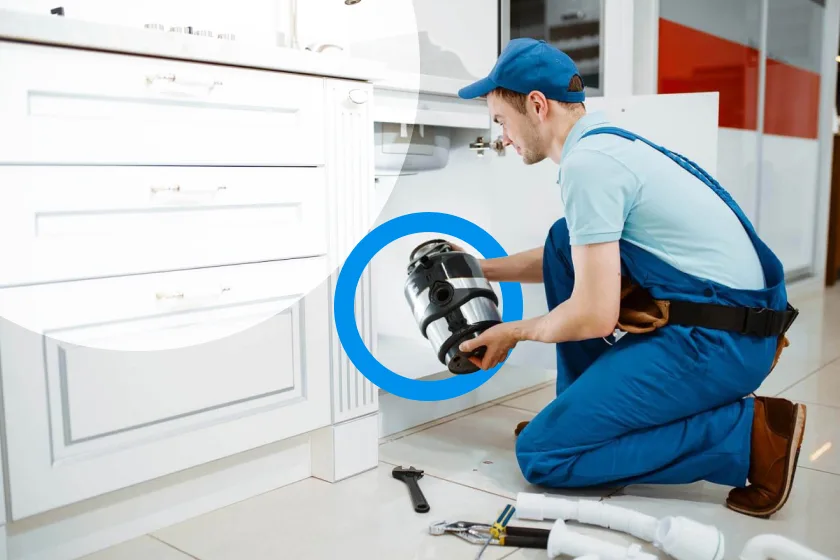
Household Tips
Ever had your garbage disposal give up mid-dinner prep? Yeah, it’s definitely not the kitchen crisis you want. The garbage disposal is one of those appliances you never think about..

Home Warranty
Most homeowners buy a home protection plan and assume that's the finish line. But there is something that doesn't get talked about enough: your home warranty works best when your..

Real Estate
Whether you’re a buyer, seller, or renter, dealing with the real estate market can be a stressful endeavor. That’s why you want a professional on your side. The right real..