

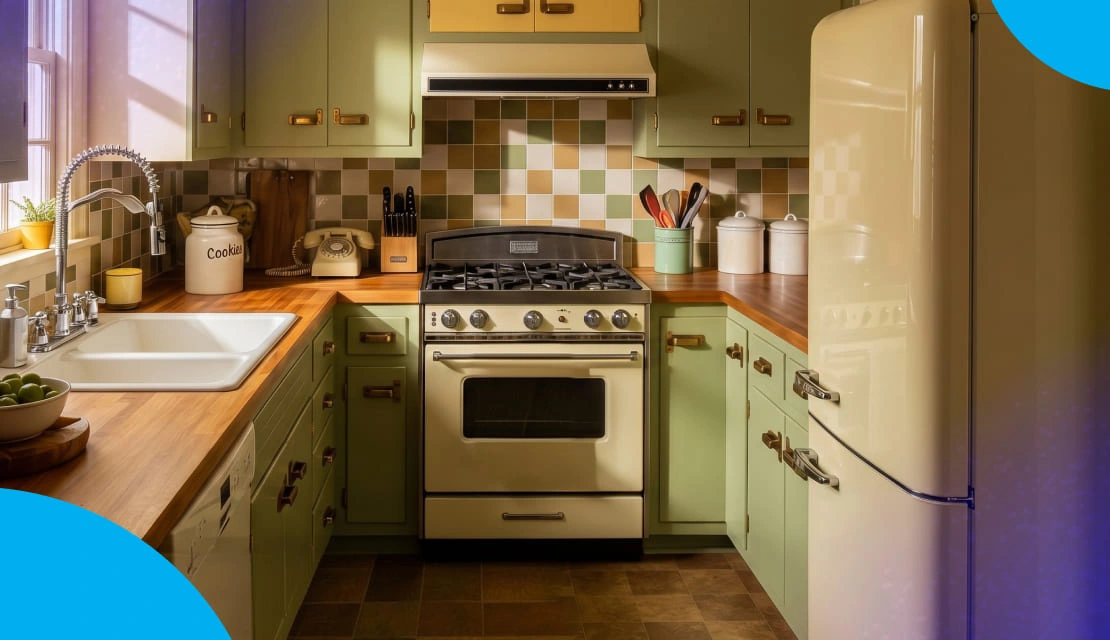
Owning an older home comes with plenty of character, charm, and history. But it can also come with aging appliances, outdated electrical components, worn plumbing, and HVAC systems that have already seen years of use. If you have ever wondered, are home warranties worth it for older homes?, the answer usually leans toward yes.
A home warranty protection plan can help reduce the shock of sudden repair bills and make budgeting easier. To put it simply, they take some of the uncertainty out of owning an older home. For homeowners, this type of protection provides valuable peace of mind. This guide walks through what coverage for older homes actually includes, what it tends to cost, and where the real value shows up.
Homes built decades ago were not designed around today’s appliances or HVAC technology. As a house ages, its major systems wear down at a fairly steady, predictable pace. The median age of owner-occupied homes in the United States reached 42 years in 2024. That is up from 31 in 2005, according to the National Association of Home Builders. A large share of American homeowners now live with systems and components well past their original installation years.
An aging HVAC system is often the single most expensive component to maintain in an older property. Industry data from Carrier shows that:
Once a system crosses that range, repair frequency tends to climb, and so does the cost of each technician visit.
This is exactly where the question of “Are home warranties worth it for older homes?” becomes practical rather than theoretical. Aging electrical panels, worn plumbing joints or pipes, and appliances nearing the end of their service life all share one trait: they fail without warning. A warranty protection spreads that financial risk across a fixed monthly or annual cost. That keeps homeowners from facing one large bill at a time.
Common repair risks that tend to increase in older homes include:
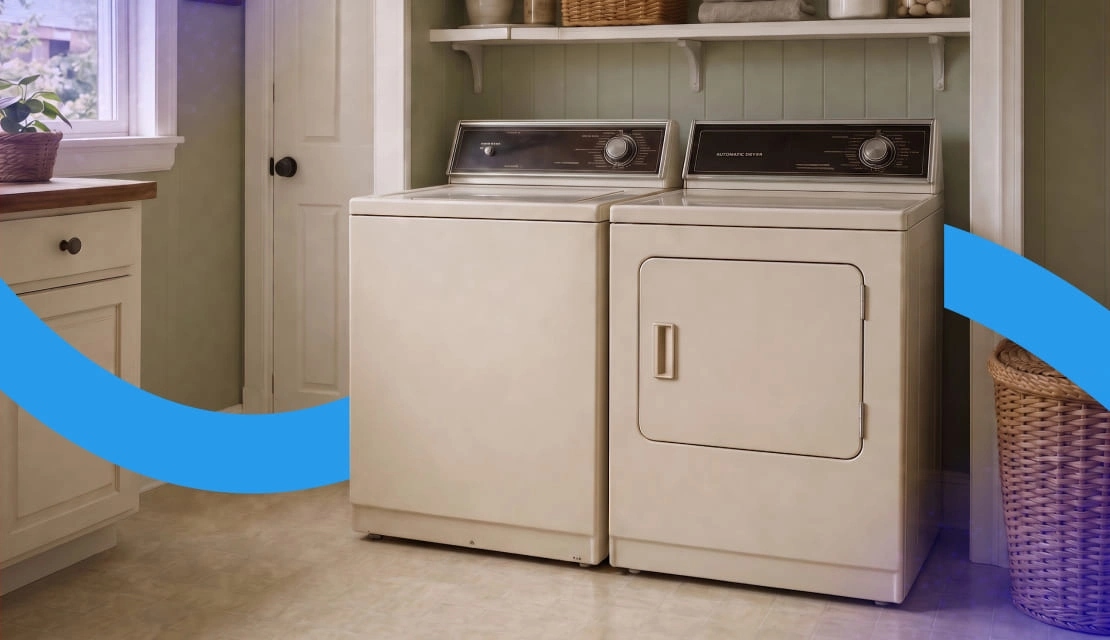
To conclude, as a home ages, the likelihood of unexpected repairs increases. When major systems reach 15 to 20 years of age, repair costs often become more frequent and expensive, making home warranty coverage worth considering.
To understand this better, let’s get into the home warranty experience of one of our customers, Mark, who owns a 25-year-old home in Oklahoma. To help manage potential repair costs of his aging systems and appliances, he purchased an Oklahoma home warranty plan from us.
During a particularly hot summer, Mark’s air conditioning system stopped cooling and required professional repairs. A few months later, his water heater also developed a problem that needed service. Because he had active coverage, he was able to file claims and pay the applicable service fees for covered repairs rather than facing the full repair costs himself.
Now, let’s consider the alternative.
What if Mark had decided to skip coverage because both systems were still working when he bought the house?
The same breakdowns would still have happened. The difference is that he would have been responsible for the full repair costs himself. Instead of budgeting for a predictable annual coverage cost and service fees, he could have faced thousands of dollars in unexpected expenses within a single year.
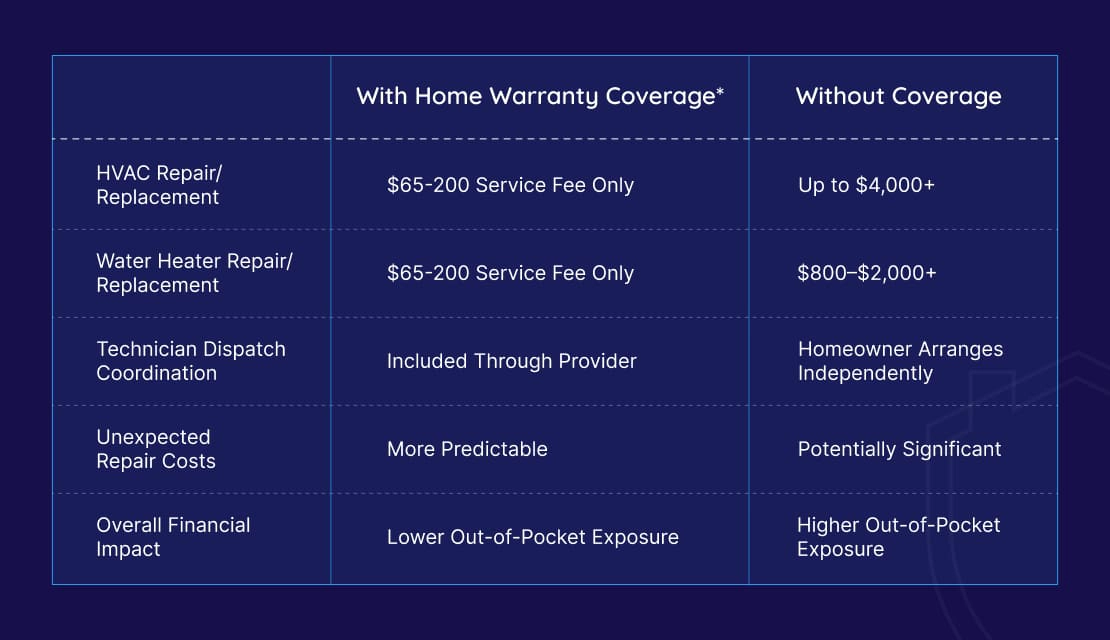
*Subject to Select’s plan terms, coverage limits, exclusions, and service fees.
So, what does Mark’s story really highlight?
Owning an older home often means living with systems that are well beyond their peak years. You may go months without an issue, then suddenly face two major repairs in the same season. For homeowners searching for the best home warranty for older homes, examples like this show the value of having a plan in place before those repair calls become unavoidable.
Older homes often come with aging systems that need more attention over time. Explore your options before a major repair lands on your to-do list.
Get a Quote Now
Not all warranty providers offer the same level of protection. If you are exploring coverage options for aging homes, focus on practical details rather than marketing promises.
Taking time to compare options can help you find the right home warranty for older homes without paying for unnecessary coverage. Also, choosing the right provider starts with asking the right questions. Read our blog: What You Should Ask Before Choosing a Home Warranty, to learn which questions deserve your attention.

By now, you should have a clearer understanding of why home warranties are worth it for older homes. Older homes often come with aging systems, and aging systems tend to need more repairs. An HVAC breakdown, a leaking water heater, or a failed appliance can quickly turn into an unexpected expense.
Planning ahead is often easier than dealing with several costly repairs at once. A protection plan helps create more predictable maintenance costs while providing access to professional service when covered items fail.
If you’re comparing providers, Select Home Warranty is an affordable home warranty company with coverage options designed for aging homes. When a covered system or appliance breaks down, you have a straightforward way to request service. For homeowners with older properties, that can be a practical way to prepare for the repairs that often come with age.
Are old HVAC systems covered under a home warranty?
Yes, as long as the system was working at the time coverage began and has received reasonable upkeep. Coverage applies to mechanical breakdowns from normal wear rather than damage from neglect or lack of maintenance.
Does a home warranty cover plumbing in a house built before 1980?
Most plans cover core plumbing components such as leaks within the system, water heaters, and certain fixtures. Older galvanized piping may carry specific exclusions, so it is worth confirming plumbing terms before enrolling a pre-1980 property.
How long does it take to get a repair scheduled through a home warranty?
Timelines vary by provider and region, but most warranty companies aim to schedule a technician within a day or two of a request. This is especially true for urgent issues like a non-functioning HVAC system.
Can I get a home warranty on a home with old appliances already installed?
Yes. Existing appliances can typically be added to a plan as long as they are in working condition when coverage starts. This makes a home warranty a practical option for buyers of older resale homes.
What is the best home warranty for older homes?
A best plan should cover the major systems and appliances that become more prone to breakdowns as a home ages. At Select Home Warranty, we’re trusted by millions of homeowners and recognized by leading industry review platforms for our affordability, responsive customer support, and straightforward claims process.

Don’t wait until it’s too late! Check out our current plans and get your free quote.

Home Warranty
Choosing a home warranty can be difficult when companies offer different plans, coverage limits, service fees, and contract terms. A home warranty comparison helps you look beyond the price and..
Household Tips
Think winter is only tough on your car or your heating bill? Think again. Snowflakes might look harmless falling outside your window, but your pipes know better. Without proper plumbing..
Household Tips
A garbage disposal is one of the easiest ways to get rid of food waste, reducing the rubbish that ends up in your trash can. Knowing how to clean a..