


Imagine buying a house and suddenly hearing a loud rattling noise coming directly from your central air conditioning unit. Your first instinct is to check your newly acquired protection plan files to see if the expensive repair is covered. You might wonder, “Do home warranties have a waiting period?” This is one of the most critical questions you must ask before assuming your household budget is safe from unexpected mechanical failures.
The short answer is yes, almost every home warranty service contract comes with a standard 30-day buffer window before protection begins. This is something thousands of homeowners discover only after something breaks. In this post, we’ll walk you through exactly how long that home warranty waiting period usually is, why it exists, and when coverage begins.
There’s a clear reason for it. Most warranty plans include a waiting or hold-off period, typically 30 days from the contract start date, before coverage becomes active. Some providers extend this to 60 or even 90 days, depending on the plan type and your home’s condition.|
According to Today’s Homeowner, about 80% of home warranty plans include emergency repair options, but you still have to be past the waiting window to access them. The gap between the contract start date and coverage start date is one of the most misunderstood parts of the terms and conditions.
So why do warranty providers build this grace period in? Here are the core reasons:
Yes, this is the primary driver. If there were no coverage activation window, a homeowner could buy a warranty the moment a system starts failing and immediately file a claim. Warranty providers use the hold-off period as a safeguard. It creates a window where any issue that surfaces is more likely a pre-existing condition rather than a genuine new breakdown. The grace period helps prevent homeowners from using a plan to claim repairs or replacements for issues that already existed before the coverage began.
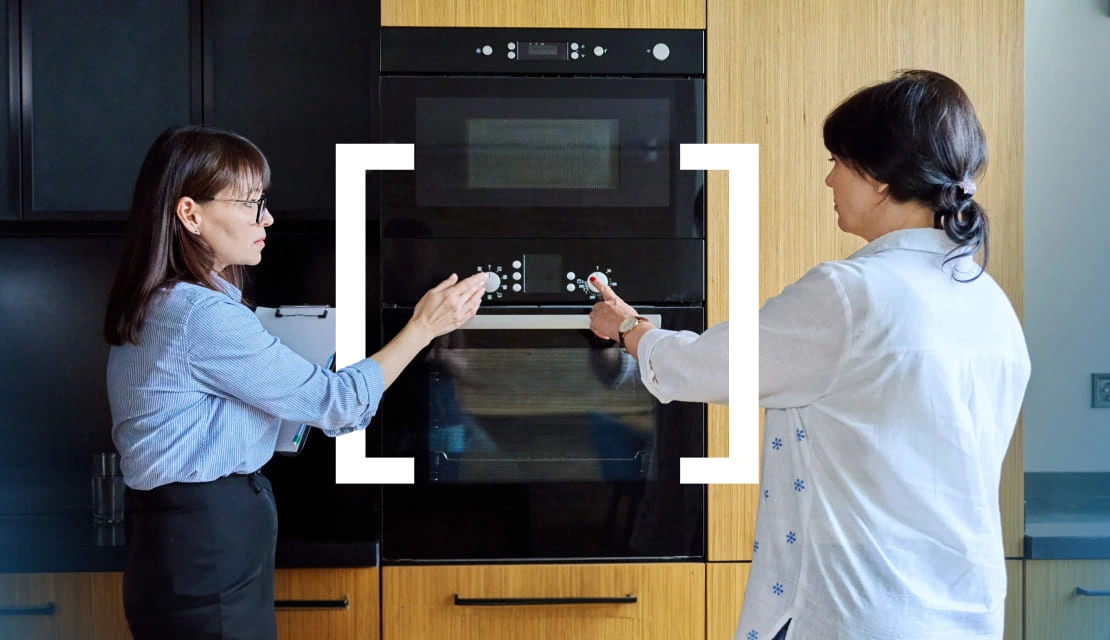
Your contract start date is the day you signed and paid. Your coverage start date is when claims become eligible. For most direct-purchase plans, these are 30 days apart.
This is what the claim eligibility waiting time actually refers to. During this gap, your contract remains in effect, but you cannot file a service request for covered repairs. You’re paying the premium, but you’re not yet protected.
Read your home warranty terms and conditions carefully. Look specifically for language like ‘effective date,’ ‘coverage commencement,’ or ‘initial waiting period.’ These phrases define exactly when you can file your first claim.
This short waiting window gives the provider time to understand the current condition and age of your home systems and appliances. It helps confirm they meet basic eligibility requirements before home appliance or system protection begins.
At the same time, this period helps the warranty company manage its financial risk responsibly. It ensures the plan is built to cover unexpected breakdowns in the future, not issues that already exist.
At Select Home Warranty, we have come across similar situations quite a few times. For instance, a homeowner in Texas noticed uneven cooling from their central AC and signed up for our Gold care home warranty plan in Texas within days.
When they reached out to file a claim, our team walked them through the timeline and explained how the 30-day waiting period works. Once we reviewed the details together, it was clear that the issue existed before coverage began. We had to decline the claim to ensure the policy remained fair for both our business and other homeowners.
Fortunately, there are two common scenarios where the typical thirty-day restriction can be fully waived by your provider:
Real Estate Transactions
Are you purchasing a coverage plan as part of a home sale transaction? Providers usually waive the waiting window for realtors if the policy is funded directly through the closing escrow process. This exception ensures your transition into the new property remains protected from day one.
Continuous Renewal Loyalty
If you transition smoothly from an old contract to a new year of protection, your waiting blocks are removed. With continuous coverage under home warranty plans, your claim eligibility usually stays active without any 30-day gap, as long as there is no break in the policy.
If you are buying a protection plan independently outside of a home sale, expect the thirty-day rule to apply. Use this interim period to review your household items and document their current functional performance status carefully. Taking photos of working equipment can serve as helpful validation if a system fails shortly after your active coverage officially begins.

A home protection plan covers a repair once three conditions are met:
Think of it this way. If your furnace stops working 45 days after you sign up for a 30-day plan, you can usually go ahead and request service. By then, your plan is active.
But if you try to file a claim within those first 30 days, it will likely be declined. The provider will point out that the claim eligibility waiting time hasn’t passed yet. If you want a clearer idea of timing, check out our guide on “When does home warranty cover a repair?”
Hope, by now, it is clear why do home warranties have a waiting period. It’s not a trick or a hidden rule. It’s a standard part of the terms and conditions of home warranties. The typical length is 30 days, though some plans run 60 or 90 days for certain systems or appliances.
It protects both the homeowner and the provider by focusing coverage on future breakdowns, not hidden pre‑existing issues. If you are about to buy or renew a home protection plan, make sure the waiting rules are clear and match your timeline.
Securing the right shield for your household appliances requires clear terms, honest communication, and dependable service. If you want to protect your property budget with a transparent policy, consider partnering with a premium provider. Explore your tailored coverage options today with Select Home Warranty to discover the best home warranty solutions for your household needs.
Yes, most do, but not all. The standard waiting time is 30 days. However, warranties purchased during a real estate transaction, plan renewals with no gap, and certain transferred coverage situations often come with no grace period. You need to confirm with the provider before signing.
During this activation window, your contract is active, but no claims can be filed for covered systems or appliances. You’re paying your premium, but coverage hasn’t commenced. If an appliance or system fails, you usually pay for repairs or replacements out of pocket.
Yes, the claim eligibility waiting time applies to all covered items under the plan, such as your HVAC, plumbing, electrical, water heater, kitchen appliances, and more. There is typically no coverage category that bypasses the hold-off period unless a specific exception applies.
Check your service agreement. Look for the ‘coverage effective date’ or ‘coverage commencement date’; this is distinct from your contract start date. The difference between those two dates is your waiting period.
——————————————————————————————————————————————————————
Disclaimer: The information in this article is intended to provide guidance on the proper maintenance and care of systems and appliances in the home. Not all the topics mentioned are covered by our home warranty plans. Please review your home warranty contract carefully to understand your coverage.
Our blogs and articles may link to third-party sites that offer products, services, coaches, consultants, and/or experts. Any such link is provided for reference only and not intended as

Don’t wait until it’s too late! Check out our current plans and get your free quote.

Home Warranty
Key Takeaways: Prepaid costs are upfront payments for future bills like property taxes, insurance, and daily mortgage interest. The total prepaid amount depends on your loan type, insurance rates, property..
Household Tips
Simple, yet essential, gutters are among the most important and cost-effective means for preventing home water damage. Of course, while gutters have a relatively long life expectancy – ranging from..
Household Tips
In the heat of summer, air conditioning care is among the highest priority for homeowners. When the condenser fan in your air conditioner stops working, it can put an unfortunate..