


Most homeowners buy a home protection plan and assume that’s the finish line. But there is something that doesn’t get talked about enough: your home warranty works best when your appliances are taken care of.
The better you maintain your appliances, the stronger your position may be when warranty service is needed. Neglecting routine upkeep can give a home warranty provider grounds to deny a claim, even if your appliance is on the covered list.
This blog breaks down exactly how preventive appliance maintenance connects to your warranty coverage and what homeowners often miss. We’ll also discuss how a few simple habits can save you from a costly denial.
Yes, and more directly than most homeowners realize. Many homeowners assume that purchasing a protection plan means maintenance is no longer necessary. That assumption often leads to avoidable problems.
Home warranty providers review claim history, appliance condition, and regular home maintenance records when a service request is submitted. If a breakdown looks like it resulted from neglect rather than normal wear and tear, the claim may not go through.
Coverage of this type of home protection plan is built around one key belief, and that is the homeowner has been reasonably maintaining the appliance. The contract language in most plans uses terms like “proper maintenance” or “regular upkeep” as a condition for coverage. That language matters.
Routine appliance maintenance does three things for your warranty:
One of our customers, Jessica from Ohio, filed a claim under her home warranty plan in Ohio after her dishwasher stopped draining. When our technician inspected the unit, they found a severely clogged filter that had not been cleaned in years. Because the issue resulted from a lack of maintenance rather than a mechanical failure, the claim was denied. Had Jessica cleaned the filter monthly as recommended, the breakdown may have qualified for coverage under her plan.
The lesson here is not that home warranties are hard to use. It is that appliance upkeep creates the foundation that makes your coverage work as intended.

A home warranty plan typically covers the repair or replacement of major kitchen appliances, HVAC systems, washers, dryers, plumbing, and electrical components. But coverage always comes with conditions.
Most appliance coverage agreements spell out what voids or limits a claim. The most common reasons a claim gets flagged or denied include:
Home warranty exclusions are not there to trip you up. They exist because the plan is designed to cover mechanical failure during normal residential use, not appliances that have been neglected or misused.
Understanding this distinction is important. A compressor failing in a well-maintained refrigerator is a covered mechanical event. A compressor failing because coils have never been cleaned and the unit has been running hot for two years looks different to a reviewer.
Not all appliances require the same level of attention. But the ones covered under most home warranty plans tend to have specific upkeep requirements. Here is a breakdown by appliance category.

For additional maintenance guidance, read our blog on refrigerator cleaning tips.
Looking for more cleaning and maintenance advice? Explore our guide on “How to clean your washing machine and dryer?”.
Keeping an appliance service record does not have to be complicated. A simple note in your phone or a dated receipt from a professional service visit is enough documentation to support a claim if questions arise.
Protect your appliances today and stay prepared for costly breakdowns, and disruptions that can arise when home essentials stop working without warning.
The most effective approach is a seasonal framework layered with monthly habits. Homeowners who try to remember upkeep tasks on the fly tend to miss them. A fixed schedule removes that guesswork.
Monthly Appliance Upkeep Checklist
Quarterly Appliance Maintenance Tasks
Annual Home Appliance Care
A practical way to manage this is to tie appliance maintenance to events you already track: season changes, daylight saving time, or monthly bill payments. Attach a maintenance task to each trigger, and it becomes automatic.
Appliance performance optimization is not about spending hours on upkeep. Most of these tasks take five to fifteen minutes. The payoff is fewer breakdowns, longer appliance lifespan, and stronger coverage if you ever need to file a claim.
When Should You File a Home Warranty Claim vs. Handle It Yourself?
Knowing when to call your home warranty service line and when to handle something yourself can save you both time and money. Here is a practical way to think about it.
File a Home Warranty Claim When
Handle It Yourself (or Call a Specialist) When
Filing a home warranty claim is a straightforward process in most cases. You contact the provider, describe the issue, and a technician is dispatched. The claim review includes looking at the failure cause. Preventive appliance maintenance is what makes that review go smoothly.
One Important Note:
Filing claims for clearly maintenance-related issues can create a pattern that flags your account. Using the home warranty system as intended, for genuine mechanical failures on maintained appliances, is always the better approach.
Absolutely. Maintenance and warranty protection serve different functions, but they complement each other effectively. Maintenance focuses on prevention, and a warranty focuses on helping manage eligible repair expenses when covered components fail.
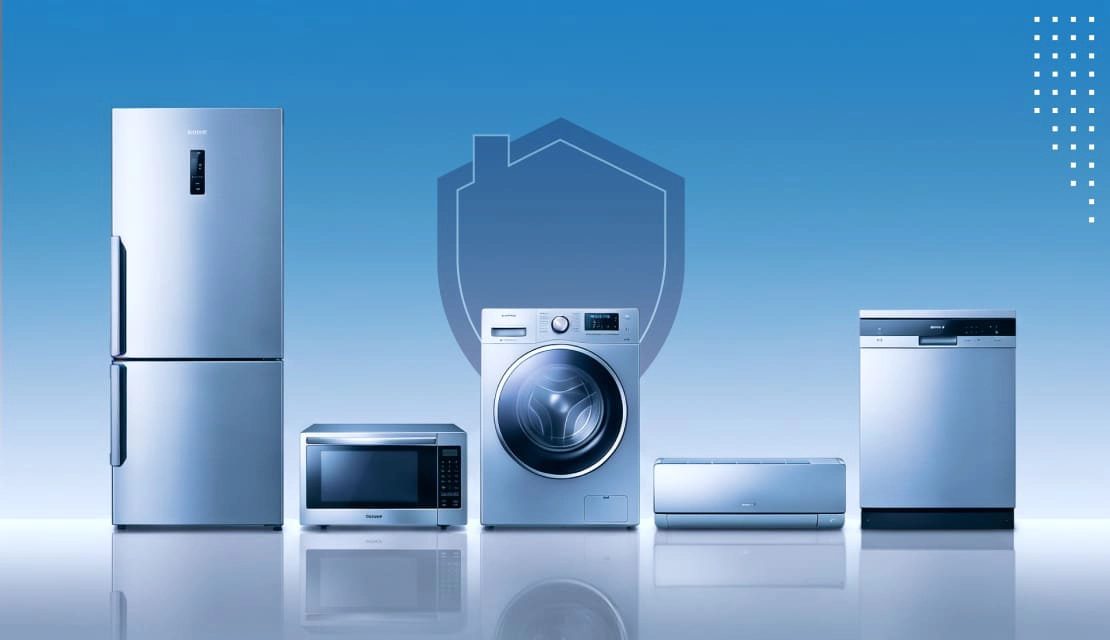
Consider the financial impact of replacing major kitchen appliances without preparation.
A refrigerator compressor failure, dishwasher motor issue, or washer transmission problem can create high unexpected costs. Routine care helps reduce avoidable breakdowns. Meanwhile, home warranty protection may help with covered repair expenses resulting from normal wear and tear.
Homeowners who combine both strategies often gain several advantages:
A well-maintained home deserves coverage designed to help with the repair needs that can come with everyday wear and tear.
Appliance maintenance and home warranty coverage are not separate topics. They are directly connected. A well-maintained appliance is more likely to get a claim approved, less likely to fail unexpectedly, and more likely to outlast its expected lifespan.
The homeowners who get the most out of their home protection plans are not necessarily the ones with the most expensive coverage. They are the ones who understand that the plan and the upkeep work together.
Building a consistent appliance upkeep checklist takes maybe an hour to set up and a few minutes each month to follow. Against the cost of a denied claim or an out-of-pocket repair on a major system, that time investment is straightforward.
If you are looking for a home warranty plan that covers major appliances and home systems without the fine-print surprises, Select Home Warranty offers flexible coverage options designed for real homeowners. Pair the best home warranty plan with the maintenance habits covered in this post, and your covered appliances will be in a much stronger position the next time something goes wrong.
Yes, keeping maintenance records can be helpful if questions arise about an appliance’s condition. Service receipts, inspection reports, and maintenance logs can demonstrate that the appliance was properly cared for before the breakdown occurred.
Yes, coverage is typically based on the appliance’s condition and the cause of failure rather than its age alone. Older appliances may still qualify for covered repairs if the breakdown is due to normal wear and tear.
Many routine maintenance tasks, such as cleaning filters, checking seals, and removing debris, can be done by homeowners. However, certain systems, including HVAC units and water heaters, may benefit from periodic professional servicing to ensure safe and proper operation.
Turn off the appliance if continued operation could cause further damage, review your warranty contract to confirm coverage, and contact your provider to report the issue. Avoid attempting major repairs yourself before the appliance has been evaluated.
Yes. Many appliance failures develop gradually and show few warning signs at first. Routine maintenance can help identify small issues early, improve efficiency, and reduce the likelihood of unexpected repair expenses.

Don’t wait until it’s too late! Check out our current plans and get your free quote.

Home Warranty
Homeownership in 2026 looks different than it did even a few years ago. Homes are getting older, repair costs remain high, and systems are more complex than ever. From smart..

Home Warranty
It’s often the first question that comes to mind whenever someone is introduced to the concept of a home warranty: Are home warranties worth it? To find the answer, you..

Household Tips
Buying a house feels exciting. But once you move in, the monthly costs of owning a home become part of everyday life. We're talking utilities, insurance, maintenance, and a whole..