

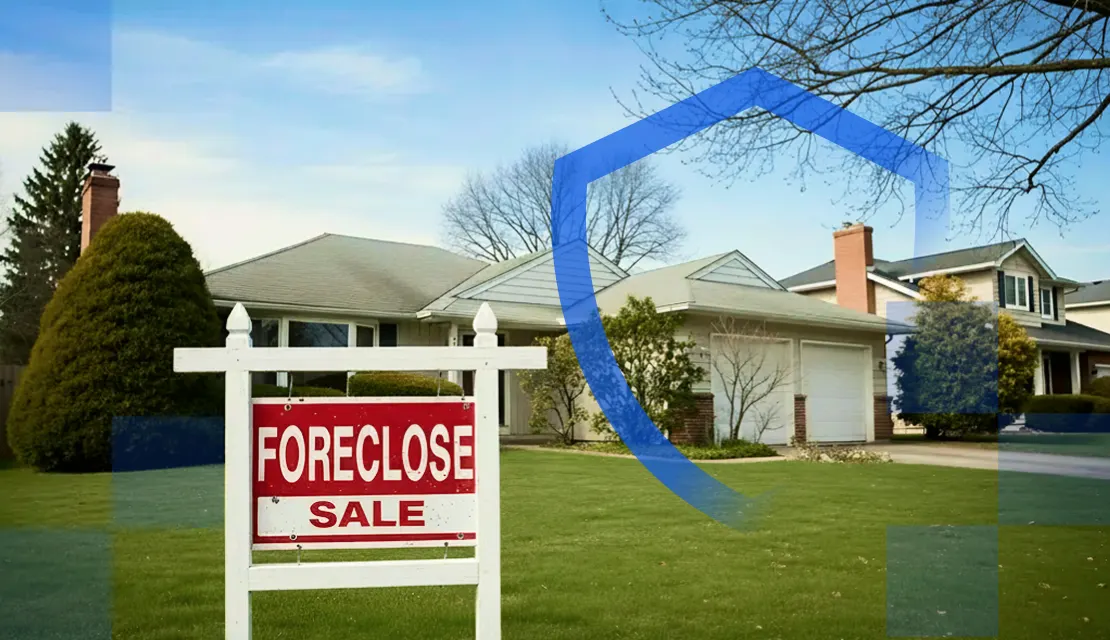
If you have ever wondered why some homes sell for less than others, foreclosures are often part of the answer. These properties hit the market when owners can’t keep up with payments, and banks step in to sell fast, often below market value. But the process isn’t as simple as placing an offer and moving in. You need to understand properly how to buy a foreclosed home and what’s really behind that price tag before getting attached.
That discount sounds tempting, right? But you can’t just show up and start bidding. Foreclosed homes follow a very different path compared to traditional listings. There are timelines, legal steps, and conditions that can surprise unprepared buyers.
This guide breaks things down clearly. From what a foreclosure property actually means to how to buy one, we’ll walk through every detail so you know exactly what you’re stepping into.
A foreclosure property is a home taken back by a lender after the owner fails to keep up with mortgage payments. The lender then assumes control and usually sells the property to recover the debt. These homes are often listed differently from traditional sales and may come with unique conditions. There may be hidden costs, and some foreclosures may require an all-cash purchase if financing isn’t an option.
The 4 Stages of Foreclosure:
In August 2025, ATTOM reported 35,697 U.S. properties tied to foreclosure activity, including default notices, scheduled auctions, and bank-owned homes. While filings dipped slightly from July, they rose sharply compared to the same month last year.
Numbers like these show why foreclosures remain part of today’s housing market. In this section, we’ll walk through the exact steps involved in buying a foreclosed home, so you know how the process works before making a move.
The financing you need varies based on the foreclosure stage. Auction properties typically require cash, while pre-foreclosure and bank-owned homes can be bought with standard mortgage loans and scheduled payments.
Without cash on hand, you’ll need financing proof; usually, a pre-approval letter from your lender.
When the foreclosed property is move-in ready, you can use conventional financing or federal loan programs, including FHA, USDA, and VA options. Many states also provide their own buyer assistance programs worth exploring.
A quick heads-up: Auction foreclosures generally don’t allow traditional loans, leaving you with cash or hard money lending. Most auction buyers choose cash because hard money lenders charge steep interest rates that eat into potential savings.
You can also check out our blog for a detailed explanation of prepaid costs during closing: What are Prepaid Costs When Buying a Home? A Full Breakdown
Foreclosure purchases involve steps that many agents don’t handle often. Working with an agent who specializes in these transactions helps keep things clear. An experienced realtor can identify listings, explain bank requirements, assist with offers, and manage extended closing timelines. For this, you need to:

In this step, let your agent lead, but dig online solo. Finding foreclosed homes takes more than browsing standard listings. Pre-foreclosure and REO properties are often the most accessible since they follow a process closer to traditional sales.
One common question buyers wonder in this step:
How to find foreclosed homes to buy?
The answer is to start by browsing government-backed websites such as the Department of Housing and Urban Development (HUD), which lists foreclosed and bank-owned properties available for purchase. You can also check lender-backed sites that list lender-owned properties nationwide. While auctions are another option, they often involve fast decisions and experienced buyers, which can make them harder to navigate.
Most foreclosure purchases outside of auctions rely on mortgage financing. After choosing an agent and reviewing listings, preapproval should come next. A mortgage preapproval outlines your borrowing range and strengthens your position as a buyer. Applying with more than one lender can help compare loan terms.
Learning how to buy a foreclosed home includes understanding the offer process, which mirrors conventional purchases if you’re not bidding at auction. Your agent submits the offer letter containing your name, address, purchase price, and earnest money deposit (typically 1%-3% of the price).
To strengthen your offer:
REO properties often have specific submission requirements that vary by lender. Always follow their instructions carefully. Your agent can guide you through each lender’s unique process and help your offer stand out.
An appraisal gives you a clear picture of what the home is worth. If you’re using financing, your lender will require you to confirm that the price matches the current market value.
A home inspection looks closely at the property’s structure, systems, and visible damage. Since many foreclosures are sold as-is, inspections help identify repair needs early. If inspections aren’t allowed, buyers should be ready for possible renovation costs.
Review the appraisal and inspection reports carefully before moving ahead. These details help you confirm the price makes sense and understand the home’s current condition.
Next, work with your lender to finalize financing and timelines. If repairs are part of the plan, confirm your budget can support them. Your real estate agent will submit the offer, handle documents, and guide you through closing steps until the keys officially change hands.
Now that you understand the steps involved in buying a foreclosed property, it’s important to focus on what happens after the purchase. A few practical precautions can help you avoid unexpected costs and make the transition into homeownership far more manageable. One of the most important things to plan for is the condition of the home and the repairs that may follow.

Most foreclosed homes need work, even if they appear move-in ready. Vacant properties tend to develop issues over time, especially when routine maintenance has been skipped. You may run into plumbing leaks, outdated electrical panels, roof damage, or worn HVAC systems near the end of their lifespan. Even smaller fixes like repainting or replacing flooring can add up faster than expected.
This is why many homeowners offset some of this risk by choosing the best home warranty. It helps cover repairs on eligible systems and appliances, allowing you to prioritize essential upgrades without stretching your budget too thin early on.
When learning how to buy a foreclosed home, the lower price tag is often what grabs attention first. These properties are typically listed below market value, giving homebuyers a chance to enter competitive neighborhoods or build equity sooner than with a standard purchase.
That said, foreclosures aren’t always straightforward. Many homes are sold “as-is”, meaning repairs and updates fall entirely on the buyer. Some properties may also come with title issues or extended closing timelines, especially when lenders are involved. Looking at both the upsides and the trade-offs can help you decide if a foreclosure fits your budget, timeline, and risk comfort.
Smart foreclosure buyers, especially in Wyoming’s larger markets like Cheyenne where foreclosure inventory can vary seasonally, often layer their investment strategy. Beyond building inspection contingencies, many secure coverage through a affordable Cheyenne home warranty to protect against unexpected mechanical failures during those critical first years of ownership.
Pros
Cons
How do you make a competitive offer on a foreclosure?
To make a competitive offer, show strong financing with a solid pre-approval or proof of funds and aim for a quick closing. Keep contingencies to a minimum since most foreclosures are sold as-is, and include a strong earnest money deposit to signal seriousness. Working with an agent experienced in REO sales also helps streamline the process and avoid delays.
Foreclosed homes are sold “as-is” because lenders want to sell the property quickly without investing more money into repairs or upkeep. Since these homes may have been neglected or left vacant, banks avoid taking responsibility for fixing issues and instead transfer that risk to the buyer. In an as-is sale, the buyer accepts the home’s current condition and covers any repairs after purchase.
Banks price foreclosed homes lower to sell them quickly and recover outstanding loan balances. Since lenders are not in the business of owning property, they aim to reduce holding costs like taxes, insurance, and maintenance.
The best time is when inventory is higher and buyer competition is lower, which often happens during slower housing seasons. Market conditions, interest rates, and local foreclosure activity also play a big role.
Repair costs in foreclosed homes often result from long periods of neglect or vacancy. Buyers commonly face expenses for roofing, plumbing leaks, electrical upgrades, HVAC repairs, and mold- or water-damaged drywall, as well as cosmetic fixes like flooring and painting. In some cases, structural issues or code-related updates can add high costs and may require professional repairs.
To buy a foreclosed home from a bank (REO), find listings through an agent or bank-owned sites. Get pre-approved for a mortgage to strengthen your offer, then submit a purchase offer that is usually accepted as-is.
Disclaimer: The information in this article is intended to provide guidance on the proper maintenance and care of systems and appliances in the home. Not all the topics mentioned are covered by our home warranty plans. Please review your home warranty contract carefully to understand your coverage.
Our blogs and articles may link to third-party sites that offer products, services, coaches, consultants, and/or experts. Any such link is provided for reference only and not intended as an endorsement or statement that the information provided by the other party is accurate. We are not compensated for any products or services purchased from these third-party links.

Don’t wait until it’s too late! Check out our current plans and get your free quote.

Home Warranty
When an appliance stops working, there’s no need for panic if you have a home warranty. There are countless reasons why you might get upset by an appliance or home..

Home Warranty
Key Takeaways: The true cost of buying a home goes beyond the listing price, with upfront, immediate, and ongoing expenses adding up quickly. Closing costs, earnest money, PMI, and early..
Household Tips
Simple, yet essential, gutters are among the most important and cost-effective means for preventing home water damage. Of course, while gutters have a relatively long life expectancy – ranging from..