

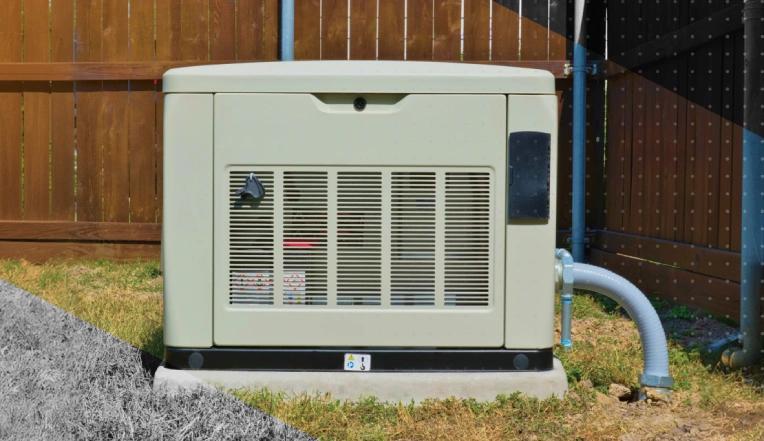
If reliable backup power is on your radar, whole home generator installation is probably part of the conversation. If you have ever lost power during a storm, you know how quickly things spiral. Refrigerator not cooling, silent HVAC systems, and phones running low.
Outages aren’t rare events anymore. Across the country, homeowners are dealing with them more often and for longer stretches than before. So, more families are turning to a standby generator as a real, long-term solution, not just a backup plan. Imagine never worrying about spoiled food, stalled medical devices, or sitting in the dark during a storm.
Now, getting there takes some planning. First things first, figuring out whether DIY is even a smart option here or if hiring a contractor is the safer call. After that, we’ll walk through exactly how a standby generator gets installed from start to finish.
According to the U.S. Energy Information Administration, the average American household experienced over 5 hours of power interruptions in 2022, and that number keeps climbing. At that rate, having a reliable backup power source is a genuinely smart investment.
And if you’re planning to install it, the first real question is who should be doing the work.
DIY vs. Professional Installation: Which is Suitable for You?
It’s tempting to look up how to install a whole home generator and figure it out yourself, especially if you are handy around the house. But this isn’t a weekend project. Generator installation involves:
One wrong connection can damage your home’s electrical panel, void your warranty, or create a serious safety hazard.
A licensed contractor brings the right certifications, tools, and code knowledge to get it done the first time correctly. They’ll handle the transfer switch, fuel hookup, and inspections. So, everything works exactly the way it’s supposed to when you actually need it.
Not every generator is built for every home. Before you commit to a unit, you need to know what your household actually runs on. Identify which appliances and systems you absolutely cannot afford to lose during a power outage.
The primary factors that influence your decision of whole home generator installation are:
If you’re planning a standby generator setup for your home, knowing the full process ahead of time makes the experience much smoother. Each phase, from site prep to final inspection, has to be done in the right order to avoid delays or code violations.
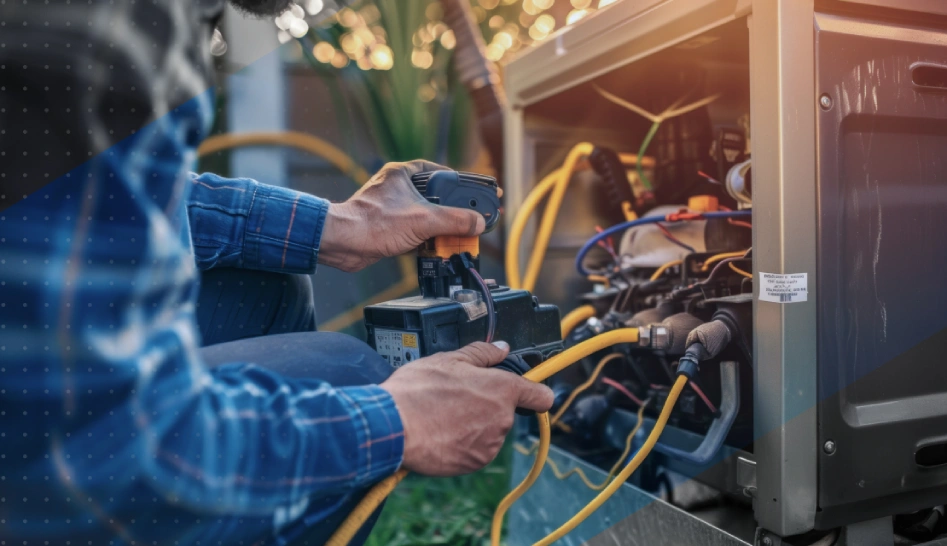
An electrician mounts a sub-panel next to your main panel and installs the transfer switch. This is the control center of your backup power system. It detects outages and shifts the load from the grid to the generator automatically without any input from you.
Critical circuits are redirected from the main panel to the new sub-panel. Your electrician will work with you to determine which systems matter most, typically HVAC, refrigerator, sump pump, and lighting, so those are covered when the generator runs.
The unit is placed on the concrete pad, secured, and inspected for proper clearance. Ventilation, exhaust direction, and proximity to the structure are all verified before the fuel and electrical connections are made.
A licensed plumber or gas technician digs a trench if needed, runs the gas line from your meter or propane tank, and connects it to the generator. The line is pressure-tested before any electrical work proceeds to confirm there are no leaks.
Electrical cable is run from the generator to the sub-panel through a protective conduit. All connections are made to code, double-checked for proper grounding, and left ready for the inspector to review.
Gas and electrical connections are finalized at the rear of the unit. Your installer will cross-check every connection against the manufacturer specs and local code requirements before initiating any testing.
A full operational test simulates an outage and confirms that the generator starts, transfers the load, and shuts down correctly. Any adjustments are made before the final municipal inspection is scheduled and completed.
The total cost of installing a generator depends on the unit’s capacity, chosen fuel source, and any necessary electrical modifications. Most homeowners spend between $1,500 and $9,000 for equipment and installation combined. Larger systems that power the entire house can exceed $15,000, depending on complexity.
Generator capacity plays the biggest role. Smaller units that power essentials like refrigeration, lighting, and a heating system cost less. Higher-capacity models that support air conditioning, water heaters, and multiple circuits increase equipment and labor costs. Site preparation, transfer switch upgrades, permit fees, and fuel line installation also impact the total. A licensed installer can provide an accurate quote after evaluating your home’s electrical panel and load requirements.
A standby generator cannot be placed just anywhere in your yard. The location must meet safety codes, ventilation standards, and service access requirements. Careful positioning also simplifies wiring and fuel connections.
Location guidelines to follow before whole home generator installation:
For homes that experience frequent or extended outages, or where someone depends on medical equipment, a standby generator is a practical, long-term investment. It can also add measurable resale value to your property, particularly in regions with a history of severe weather.
The right fuel source depends on availability, local utility costs, and property setup. Natural gas offers a continuous supply where available, while propane works well in areas without gas lines but requires tank storage.
Yes, placement and installation must follow local building codes, zoning rules, and clearance requirements. Always confirm regulations with a licensed electrician or your local permitting office before installation.
Look for a licensed and insured contractor with strong reviews and proven standby generator experience. A qualified installer ensures code compliance, safe wiring, and proper system testing.
Now that your generator is in, is the rest of your home protected? Think about what happens when your water heater gives out, or your HVAC system stops working on a hot July afternoon. A home appliance protection plan covers the major systems and appliances inside your home that your generator can’t protect on its own.
Adding this type of coverage strengthens your overall home protection strategy, since backup power alone doesn’t cover equipment breakdowns. In Florida, where storms and humidity put extra stress on home systems, pairing a generator with a home warranty coverage in Florida adds another layer of financial safety net. It’s worth reviewing coverage for long-term peace of ownership.
Disclaimer: The information in this article is intended to provide guidance on the proper maintenance and care of systems and appliances in the home. Not all the topics mentioned are covered by our home warranty plans. Please review your home warranty contract carefully to understand your coverage.
Our blogs and articles may link to third-party sites that offer products, services, coaches, consultants, and/or experts. Any such link is provided for reference only and not intended as an endorsement or statement that the information provided by the other party is accurate. We are not compensated for any products or services purchased from these third-party links.

Don’t wait until it’s too late! Check out our current plans and get your free quote.

Real Estate
For many, the dream of owning a home relies on a good mortgage. Applying for this kind of loan may seem like a daunting task, and admittedly, there are many..

Home Warranty
Key Takeaways: A home warranty helps cover repair or replacement costs for systems and appliances affected by normal wear and tear. The process is straightforward: choose a plan, file a..

Household Tips
Everyone has their happy place. For some, that place is relaxing on the couch, while for others it’s relaxing in the hot tub. Your jetted tub or spa requires routine..