

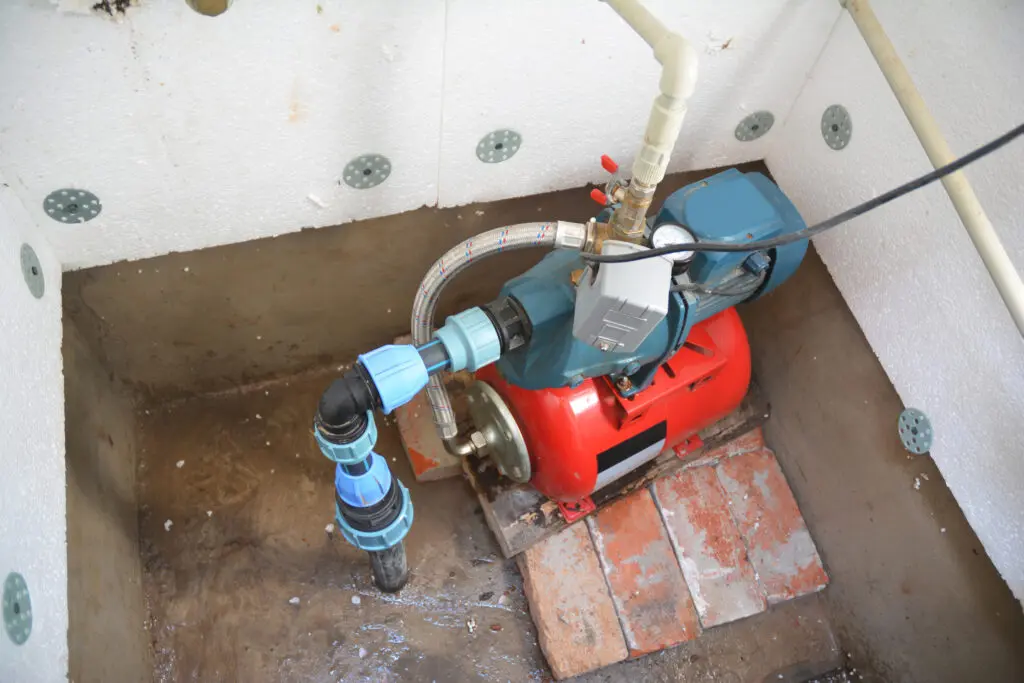
Owning a home with a well pump gives you more control over your water and helps cut monthly utility costs. But with that independence comes upkeep, and questions like, “Do home warranties cover well pumps?” often come up when homeowners start thinking about repair expenses. A well water system is a critical part of your setup, and fixing it can get expensive fast.
Of course, the benefits of having a well system come with a caveat. You need to keep your well system maintained and operational. Luckily, with proper maintenance and a good home warranty, you can ensure your well system and pump last for many years.
In this guide, we’ll explain how a home warranty works for well pump protection. We’ll also cover the advantages of coverage and the common limitations that can affect what actually gets paid for repairs.
Yes, home warranties can cover well pumps, but usually as an optional add-on rather than part of a standard plan. Coverage typically applies to mechanical failures from normal wear and tear, not every issue, so it’s important to review what your specific plan includes.
Running your home on well water comes with independence and long-term savings. In fact, the U.S. Environmental Protection Agency reports that around 15% of U.S. households rely on private wells. But when the system runs into trouble, access to water can quickly become a concern.
A home warranty for well pump can help in situations like this. Instead of searching for a technician on short notice, you have a service process in place to get the issue checked and repaired, helping you stay on top of both costs and downtime.
If you are considering well pump coverage, you are probably wondering what it actually takes care of. In most cases, it focuses on the essential parts that keep water moving into your home. When those parts fail from regular use, this coverage helps handle the fix. It’s typically an add-on, so it’s something you’ll need to include when choosing your plan.
So, what’s typically included in the coverage?

Before adding coverage to your plan, it’s worth taking a closer look at what you are getting and what you are not. Since your water supply depends on this system, even a small issue can turn into a bigger inconvenience. So, is the coverage worth it? Let’s break it down how it typically plays out:
Helps with repair or replacement costs: If your well system stops working due to normal wear, coverage can step in to handle repairs or even replacement of key components.
Less guesswork when something breaks: You don’t have to start from scratch looking for a technician. The warranty provider usually connects you with a service professional.
More predictable expenses: Instead of dealing with unexpected, high repair bills, you are working within a set plan structure, which can make budgeting easier.
Coverage isn’t unlimited: Plans often come with specific limits, exclusions, and conditions, which can affect how much is actually covered.
Not everything is included: Certain issues like pre-existing problems, improper installation, or lack of maintenance may not qualify for coverage.
Add-on, not standard: Coverage is usually optional, meaning it may cost extra and isn’t automatically part of your base plan.
Before you rely on the coverage, it’s important to understand where the line is drawn, especially if you’re asking, “do home warranties cover well pumps?” in full or just certain parts. Home warranties usually focus on the main pump unit, but that doesn’t mean every part of your well system is included. Knowing these limitations upfront can help you avoid surprises when you file a claim.
Here are some common exclusions to keep in mind:
Piping, wiring, and external connections: Components like water lines, electrical wiring, or cable connections linked to the well system are typically not covered.
Supporting system parts: Items such as well casings, additional pressure switches, or booster pumps often fall outside standard coverage unless specifically mentioned in your plan.
Well drilling and structural work: Any work related to drilling, redrilling, or modifying the well itself is generally not included.
Geothermal or water source heat pump systems: If your pump is tied to a geothermal or water-based heating system, it’s usually excluded from standard coverage.
Yes! They need regular maintenance to keep harmful contaminants like bacteria, lead, and arsenic from getting into your water supply. It’s good to do maintenance at least once a year. However, there are situations where a pump should be checked more often.
Here are some tips for keeping your system maintained and in good working condition:
If you are experiencing problems with your well pump, determining if the pump itself is the issue should be your first step.
Check your circuit breaker to ensure the pump is receiving power. Turn it off, reset the circuit breaker, and turn it back on. This will rule out an electrical issue.
The issue with your pump could also be plumbing-related. It’s a good idea to check your plumbing for leaks to ensure that water from your well is getting to your home after passing through your well system.
Pro Tip: If you find a leak, you may have coverage for your plumbing system through your home warranty.
Inspect your pressure tank as it may also be causing the issue. The pressure tank stores the water brought up from the pump. This tank may have shut off and needs to be reset.
Determine if there are any drought warnings in your area. Though this is the most uncommon scenario, a drought could be causing your well to run dry.
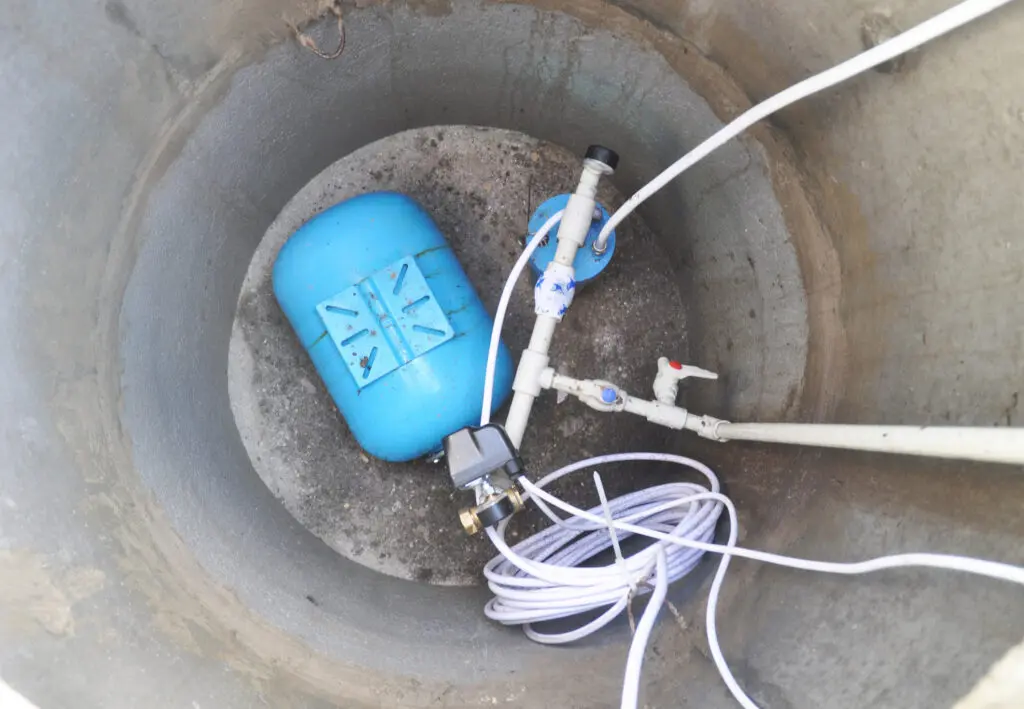
If your well pump needs to be replaced, you may notice these signs.
The cost of well pump replacement averages about $1,600. A home warranty for well pump coverage can significantly reduce that cost.
Getting coverage for your well pump is simple. Hope by now, you have got your answer to the question “Do home warranties cover well pumps?” You need to keep in mind that the answer also depends on your plan. Most providers offer it as an optional add-on based on your coverage needs. This can help with repair or replacement costs when issues arise from normal wear and tear.
To keep your coverage effective, make sure your well system is properly maintained. When a problem comes up, you can submit a claim and have the repair handled without taking on the full cost yourself.
Not sure which plan fits your needs? Get a free quote to explore coverage options that match your home and budget. You can also look into additional protection for septic systems for more complete coverage.
A properly maintained well pump can last eight to ten years. You can ensure that it reaches this life expectancy and beyond by performing regular maintenance. Of course, there will come a time when even the most carefully maintained pump needs to be replaced.
Well pumps are typically covered for the duration of your contract, usually one year. This coverage can be renewed annually or upgraded with additional options, allowing you to continue protection without gaps.
The cost of replacing typically averages around $1,600, with most expenses falling between $975 and $2,800, depending on the setup and labor involved.

Don’t wait until it’s too late! Check out our current plans and get your free quote.

Home Warranty
Trust matters for homeowners. Whether it’s trusting a contractor, choosing coverage for major appliances, or supporting a favorite football team, people gravitate toward brands that represent consistency, reliability, and long-term..

Household Tips
Your stove is the heart of your kitchen, helping you prepare everything from daily meals to festive feasts. But have you ever paused to wonder how long does a stove..
Household Tips
Depending on the size of your family, you may use your washer and dryer anywhere from a few times a week to multiple times a day. So when your washer..