


Deciding between a home warranty vs paying for repairs out-of-pocket can feel like a money puzzle. You want a clear picture: how much will repairs really cost, and will a warranty save you money over time? Many homeowners assume paying for repairs yourself is cheaper.
However, when you compare the cost of common repairs against the annual cost of a protection plan, the numbers often tell a different story. Let’s break down the real costs and see where homeowners can potentially save the most money.
As you compare your out-of-pocket expenses with the cost of coverage, you’ll see why many homeowners turn to a top-rated home warranty company. It can help protect your wallet and home while giving you greater peace of mind when breakdowns occur.
This is the question most homeowners want answered before purchasing coverage.
The average home warranty typically costs between $30 and $90 per month, according to the ConsumerAffairs Cost Guide in 2026. This means annual costs often range from approximately $350 to $900, depending on coverage levels and service fees.
Homeownership costs are rising across the United States, and retail repair prices reflect this trend. Let’s look at what you can expect to pay out of pocket without a protection plan. These figures represent real industry averages for retail repair and replacement expenses.
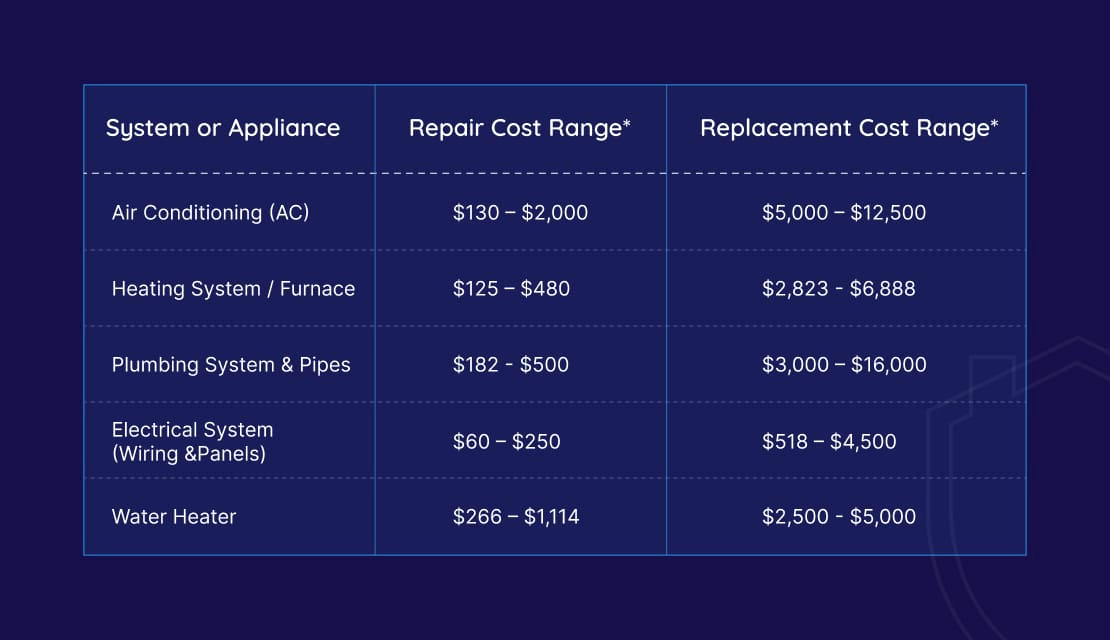
*Cost data compiled from national averages reported by Angi, HomeGuide, and Home Depot.
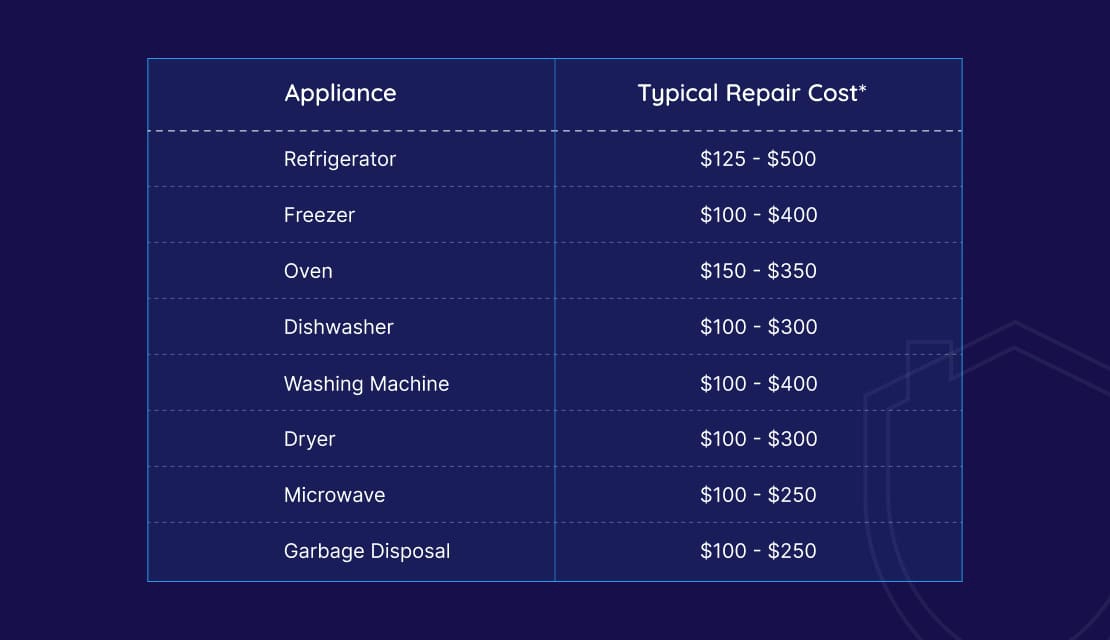
*Cost data compiled from national averages reported by HomeGuide.
If you own an older home, winter can be particularly expensive. A furnace struggling to keep up with freezing temperatures and a burst or leaking pipe caused by the cold can happen within the same season. This would leave you with both heating and plumbing repair bills at once.
A recent study by the National Association of Home Builders (NAHB) indicates that first-year homeowners spend an average of $12,000 on home improvements and repairs. Without home systems and appliances coverage, these accumulated household repair bills can cause serious financial strain.

Yes, in most cases, a warranty is significantly cheaper than paying for multiple repairs out-of-pocket during the year. While some repairs are minor, others can disrupt a carefully planned household budget.
When evaluating home warranty vs paying for repairs out-of-pocket, the question is not simply about today’s costs. It is about preparing for future repair bills that may arrive unexpectedly.
Homeownership comes with ongoing repair and home maintenance costs. To put the numbers into perspective, let’s look at the cost difference through the eyes of a typical homeowner.
Mark, a homeowner in Texas, owns a 12-year-old home with an aging air conditioner, water heater, dishwasher, and refrigerator. Like many homeowners, everything seemed to be working fine at the beginning of the year.
Then summer arrived. First, his air conditioner stopped cooling properly. The repair bill came to about $900. A few months later, the dishwasher developed a drainage issue and cost another $250 to repair. Before the year ended, the water heater failed and needed replacement, adding approximately $1,300 to the bill.
Mark’s total repair costs for the year reached $2,450.
Now imagine the same situation when Mark has a home protection plan.
Instead of paying thousands in repair and replacement expenses, Mark pays roughly $800–$900 for annual coverage and a service fee each time a technician is dispatched. Even with three service calls at around $100 each, his total annual cost would be approximately $1,100–$1,200.
| Scenario | Annual Cost |
|---|---|
| Paying for Repairs Yourself | $2,450 |
| Home Warranty Coverage + Service Fees | $1,100–$1,200 |
In this example, the homeowner saves more than $1,200 in a single year.
This highlights an important reality:
Home repair costs without warranty coverage can be difficult to predict and budget for.
One unexpected system failure can exceed a year’s coverage cost. See your plan options today.
Get a Free Quote
Not every homeowner faces the same level of risk. However, certain groups are more likely to benefit from homeowner’s warranty coverage.
You may benefit if:
Why coverage for aging systems is a must:
Appliances and systems experience wear over time. As components age, the likelihood of breakdowns increases. A refrigerator that has operated for ten years has a higher chance of needing repairs than a unit that is only two years old.
The same logic applies to:
This is where many homeowners begin calculating potential home warranty savings on repairs. When multiple aging systems exist under one roof, the risk of future repair bills often increases.
This is especially true in states like Oregon, where many homeowners own older properties with aging systems and appliances. Investing in a reliable home warranty service in Oregon can help reduce the financial impact of unexpected breakdowns and major repair bills.
Choosing between a home warranty vs paying for repairs out-of-pocket comes down to financial predictability. To provide a balanced comparison, there are situations where paying for home repairs yourself may make sense.
Self-funding repairs may work if:
The challenge with self-funding:
The biggest challenge is uncertainty.
You never know:
One year may bring no major issues. The following year could include a water heater replacement, HVAC repair, and refrigerator repair.
This uncertainty is what drives many homeowners to compare home warranty cost vs repair cost before making a decision.
Investing in a home appliance warranty plan shields your family’s budget from sudden market inflation and labor price hikes. If you want reliable protection for your budget, Select Home Warranty is the smartest financial move you can make today.
A simple coverage plan can help reduce costly repair and replacement expenses throughout the year.
Get a Free Quote
Yes, it is common for older homes to experience multiple system and appliance failures within a short period. As HVAC systems, water heaters, refrigerators, and other components age, the likelihood of needing repairs increases, which can lead to several unexpected expenses during the same year.
Many financial experts recommend maintaining a dedicated home repair fund, often equal to 1% to 4% of a home’s value annually. However, major repairs can exceed those estimates, especially when multiple systems fail at once.
Yes, labor rates, replacement parts, and equipment costs have increased in recent years. As a result, homeowners often pay more for appliance repairs, HVAC service, plumbing work, and system replacements than they did just a few years ago.
Yes, it can be especially valuable for first-time homeowners who are still adjusting to the ongoing costs of homeownership. It helps make repair expenses more predictable and reduces the risk of large surprise bills during the first years of owning a home.
The biggest risk is uncertainty. While one year may bring few repairs, another year could include multiple expensive breakdowns that cost thousands of dollars. Without coverage, homeowners must absorb the full cost of every eligible repair or replacement.
Yes, a warranty converts many unexpected repair expenses into a more predictable annual cost. This makes it easier for homeowners to plan their household budget and avoid large, unplanned repair bills.

Don’t wait until it’s too late! Check out our current plans and get your free quote.

Home Warranty
You've saved for the down payment. You're pre-approved for a mortgage. The house is perfect, and you're ready to sign on the dotted line. But there is one thing that..

Household Tips
Is your dryer making strange noises or, worse, refusing to heat up? You’re not alone. Many homeowners experience dryer issues but aren’t sure how to address electric dryer repair. Should..

Real Estate
Renters are a diverse group, ranging from college students looking at their first apartment to families of four who haven’t yet made the jump to home ownership. No matter who..