


You might expect water heater calls to spike dramatically in cold months. After all, showers feel colder, and hot water demand rises. Yet claims data from home warranty services shows only a 1.5x increase from May to January. That number looks small next to heating systems claims, which see a 26.5x seasonal swing.
So why the modest rise for water heaters?
This post explains why the number is low, what really drives failures, and what to do while your heater still works.
If you have ever stepped into a lukewarm shower during winter, you already understand the problem. Hot water feels less optional when the temperature drops. You notice small changes faster, especially when the water takes longer to heat or runs cold sooner than expected.
That helps explain the January peak. However, the 1.5x increase over May suggests that winter itself is not driving most water heater failures. Let us see what the other reasons are:
Your heater does not get a seasonal break. It heats water every day, regardless of whether it is January or July. Every heating cycle adds another round of use to the tank and its components.
Over time, that repeated use can contribute to wear. An older unit may continue working normally for months before a component finally struggles. So, when a heater fails in January, the problem may have been developing long before winter arrived.
Think about how often your household uses hot water. Showers, laundry, dishes, and other daily activities all depend on the water heater. Years of that routine can put increasing stress on the system.
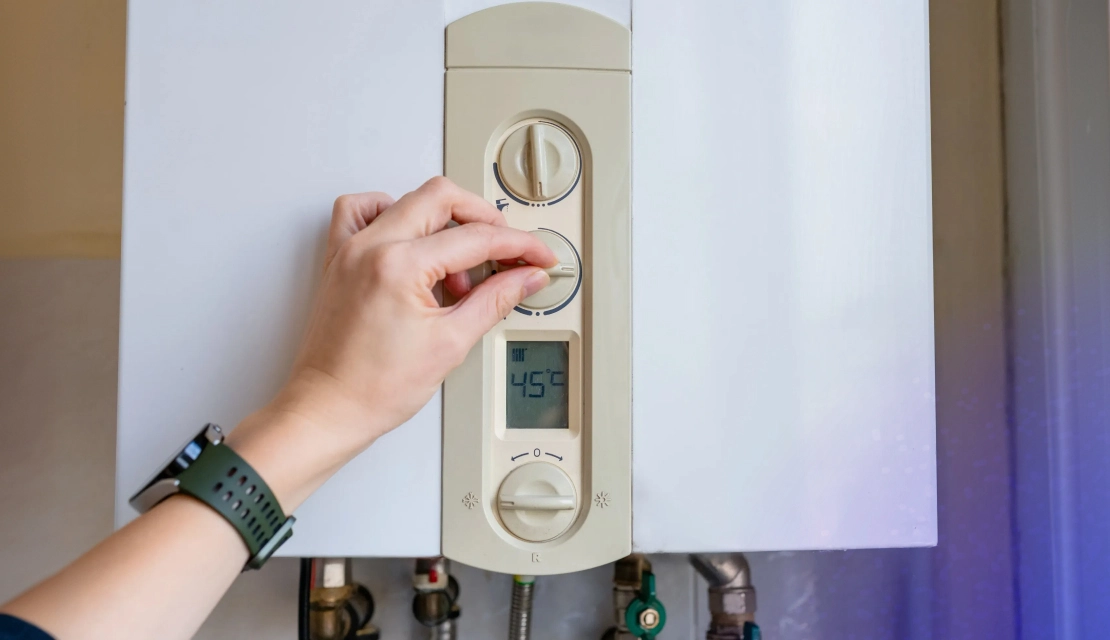
As your unit ages, you may start noticing subtle changes:
None of these signs guarantees that failure is imminent, but they do give you a reason to take a closer look.
Get complete home warranty water heater coverage today so that when breakdowns occur, you need not worry,
Get a Free Quote
Think about how often your household uses hot
If you have a traditional tank water heater, minerals in your water can settle at the bottom. Over time, that sediment can accumulate and interfere with normal heating. You might hear popping or rumbling sounds as the unit heats the water.
You may also notice that the unit takes longer to do its job. If those changes sound familiar, do not automatically assume it is about to fail. Instead, consider having the system checked and determine whether maintenance or repair is appropriate.
It might be the case that your water heater has been struggling slightly for several months. In warmer weather, you might tolerate a shorter hot shower without thinking much about it. In January, that same change becomes much more noticeable because households use more hot water.
Showers run longer, dishwashers cycle more, and laundry loads increase. This higher demand stresses aging components. Thermostats may struggle to maintain temperature, or old tanks show leaks under increased pressure.
Heating elements also work harder against sediment buildup. The cold weather does not necessarily create the problem. It can make an existing problem harder to ignore.
A little moisture around your water heater can be easy to dismiss. You might assume it is condensation or a minor plumbing issue. But persistent moisture, rust, or pooling water deserves closer attention. A leaking heater can cause water damage beyond the unit itself. Flooring, walls, cabinets, and nearby belongings may also be affected.
This is another reason home warranty for plumbing protection can be especially valuable when your household is using more water than usual. When your pipes are working harder every day, even a small leak can quickly become a problem worth addressing.
Yes, home warranties typically cover water heaters when failures result from normal wear and tear. Coverage usually applies to eligible components when they break down due to regular use. The specific parts covered can vary by contract, so it is worth checking what your plan includes.
Coverage typically includes mechanical and electrical failures of covered components:
Coverage does not apply to every scenario. Common exclusions include:
Point to Note: Your contract determines which components and situations qualify for coverage. So, always review your contract for specific limits, caps, and service fees before filing a claim. This is something worth checking before you need to use the coverage.
You can also read our complete guide: Do Home Warranties Cover Water Heaters?, for more information.
Water heater calls rise 1.5x by January, which is a small number with a big lesson. Age sets the clock, and winter only tells you the time. As a leading home warranty company, Select Home Warranty sees this pattern in our claims every winter. We want you to act while the problem is still small and the timing is yours.
Take ten minutes this week. Find your tank’s age, look for rust or damp spots, and flush sediment if your manual allows. If the unit is past 10 years, start comparing quotes now. A planned replacement beats a cold-shower emergency.
Coverage works best when you have it before the heater quits. If you need broader home protection, we are here to help! Our budget-friendly home warranty plans include plumbing and water heater protection. So, what are you waiting for? Pick the plan that fits your home, then enjoy a hot January shower.
Stay informed with more home warranty tips by following us on Facebook. Join our community for practical insights to help you care for your home and keep essential systems running smoothly.
Most tanks last 8–12 years. Risk rises sharply after year seven, especially in hard water areas. Replace proactively around year ten to avoid emergency failures.
Common warning signs include inconsistent hot water, unusual tank noises, visible corrosion, moisture, leaks, and reduced heating performance.
Sediment can collect inside a tank over time. Heating water around accumulated sediment can produce popping or rumbling sounds.
No, homeowners insurance typically does not cover a water heater that stops working because of normal aging, wear and tear, or mechanical failure.
Installed cost often falls between $1,000 and $3,000. Size, fuel type, and labor drive the final price.

Don’t wait until it’s too late! Check out our current plans and get your free quote.

Home Warranty
Homeownership surely brings comfort, stability, and pride, but it also comes with ongoing responsibility. When a system or appliance breaks, the repair costs can be significant and unexpected. A broken..

Home Warranty
This football season, Select Home Warranty is proud to announce sponsorship of the NY Jets. From the comfort of your home, know that your home warranty provider is there to..
Home Warranty
Ever had a major appliance stop working right after its warranty expired? Or wondered if paying extra for extended protection is actually worth it? These are common concerns for homeowners..