

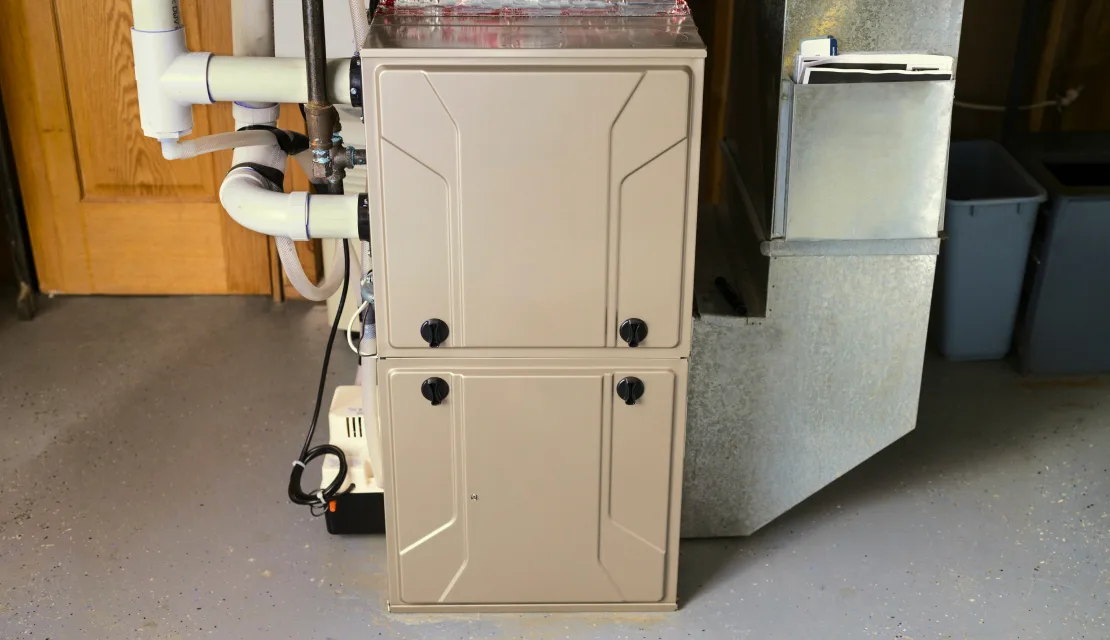
Before winter settles in, your furnace maintenance checklist should be at the top of your home to-do list. Your furnace works quietly in the background, until one cold night, it doesn’t. And that’s usually when repair costs spike.
The truth is, most furnace breakdowns don’t happen out of nowhere. They build up over time. Dirty filters, worn components, and minor airflow issues are the small things that we usually ignore.
This guide walks you through a practical maintenance guide for homeowners, so you know what to check and when. We’ll also explain what tasks should always be handled by trained professionals to keep your system safe, efficient, and ready for winter.
Your furnace works harder than most appliances in your home, and neglecting routine service can affect performance, safety, and your wallet. A well-maintained system simply runs better and lasts longer. According to the U.S. Department of Energy, proper maintenance can reduce energy use by up to 30% while lowering environmental emissions. That’s real savings over time.
The key reasons why maintenance can’t be ignored:
In states where winters dip low, like Minnesota, pairing annual service with a trusted Minnesota home warranty plan can help manage repair costs. Say your furnace quits, your warranty provider arranges professional repairs, and reduces your high, unexpected out-of-pocket expenses.
Your furnace doesn’t need constant attention, but it does need routine care. Seasonal checks can help you identify small problems before they grow into larger and more costly repairs. Below are some essential DIY furnace maintenance steps:
Your furnace filter traps dust, pet hair, and allergens that circulate through your home. A clogged filter restricts airflow, forcing your system to work harder and use more energy.
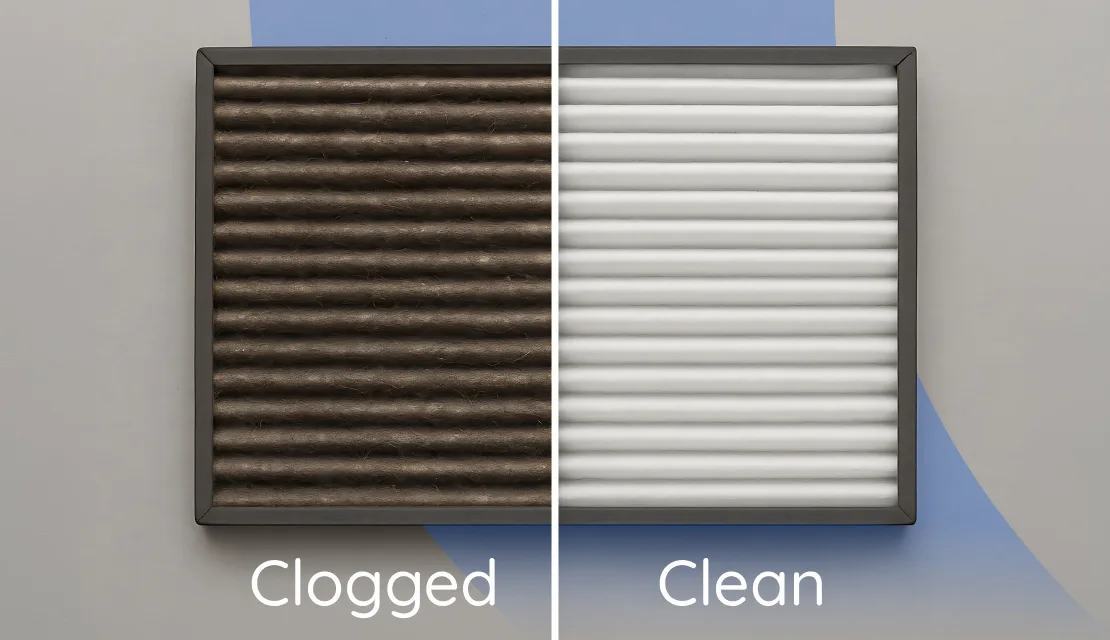
Check your filter monthly during the heating season. Standard air filters typically should be changed every one to three months. Homes with pets or residents who have allergies often require more frequent replacements. Turn off your furnace at the thermostat first, locate the filter slot (usually near the blower), slide out the old filter, and insert a new one with the arrow pointing toward the furnace. It takes less than five minutes and costs just a few dollars.
Adjust the thermostat a few degrees above the current room temperature and wait to hear the heating system start running. Walk around your home to verify warm air flows from all vents evenly. If you have a programmable or smart thermostat, check that your heating schedule matches your routine.
Moreover, replace batteries if your display looks dim or shows a low battery warning. Use a portable thermometer to compare the actual room temperature against what your thermostat displays; more than a 2-degree difference means calibration issues.
Walk through each room and check that heating vents aren’t blocked by furniture, curtains, or rugs. Blocked vents reduce efficiency and create uneven heating.
Remove vent covers and vacuum inside to clear accumulated dust. Wipe down the covers before reinstalling them. Open all dampers in your ductwork if you closed them during the summer. Check visible ductwork in basements or attics for obvious gaps, loose connections, or damage that might need professional sealing.
Your furnace needs breathing room. Dust and debris often collect around the equipment during warmer months. Remove storage boxes, cleaning supplies, or holiday decorations stacked near the unit, and keep at least three feet of clearance on all sides.
Vacuum or sweep around the furnace base to remove dust buildup and wipe down the exterior cabinet with a damp cloth. Good airflow around the unit helps it run efficiently and makes future HVAC maintenance easier.
Safety should always be part of your routine furnace maintenance checklist. Gas-powered systems require working CO detectors. Check your alarms once a month and change the batteries whenever they run low. If detectors are over five years old, upgrading them may improve reliability.
Before winter fully arrives, run the heating system for several minutes. Listen for strange or unusual sounds and check for consistent airflow. A slight dusty smell at startup can be normal after months of inactivity. Strong odors or loud rattling noises may require professional attention.
Some heating system maintenance and inspection jobs require specialized training, tools, and safety certifications. Attempting these yourself can void warranties, create safety hazards, or cause expensive damage.
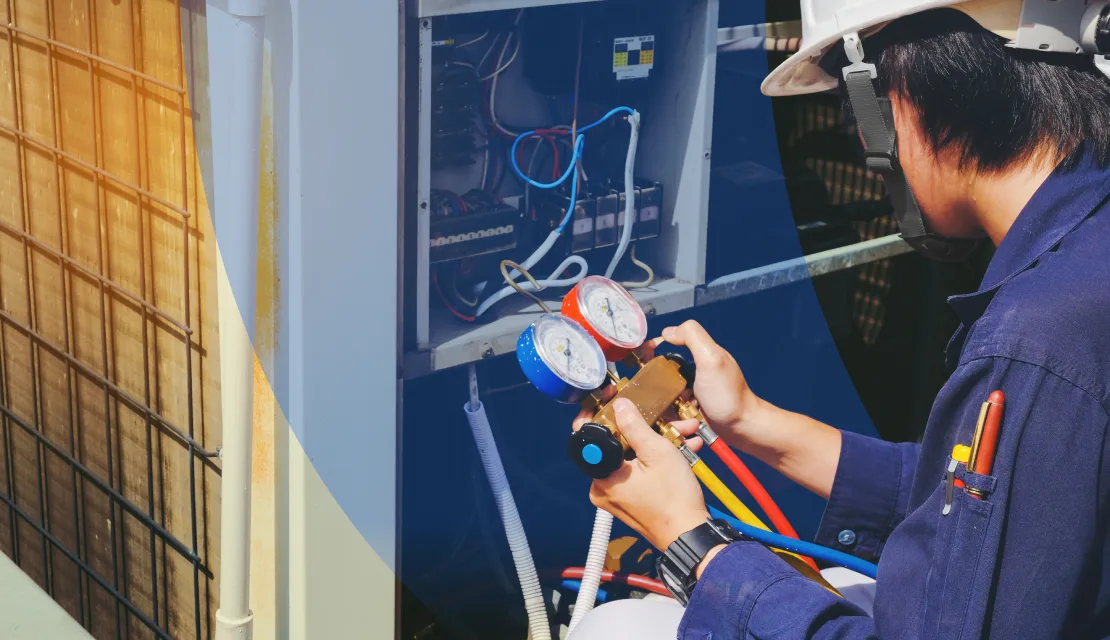
The heat exchanger transfers warmth from combustion gases to your home’s air. Cracks or deterioration can release deadly carbon monoxide into your living space. Technicians use cameras and specialized tools to inspect this critical component thoroughly. Homeowners can’t safely access or evaluate the exchanger without disassembling major system parts.
Licensed technicians check all gas connections for leaks using pressure tests and detection equipment. They verify proper gas flow and combustion efficiency. Never attempt to tighten, adjust, or test gas connections yourself; even small mistakes can cause leaks, fires, or explosions that endanger your entire household.
Your system’s burners need professional cleaning to maintain proper flame color and combustion efficiency. Technicians remove soot buildup, adjust flame sensors, and ensure burners produce the correct blue flame pattern. Yellow or orange flames indicate incomplete combustion and potential carbon monoxide production, requiring immediate professional attention.
Heating systems use complex electrical components, including furnace igniters, control boards, and safety switches. Technicians test voltage levels, inspect wiring for damage, and verify that all electrical connections meet safety standards. Faulty wiring causes most system failures and fire risks, and professional diagnosis prevents dangerous malfunctions.
The blower motor contains sealed bearings that need specific lubricants applied at precise points. Technicians know which parts require lubrication and use manufacturer-approved products. Over-lubricating or using the wrong lubricants damages motors and reduces efficiency.
Proper venting exhausts dangerous combustion gases outside your home. Professionals check for blockages, corrosion, and proper draft pressure. They verify your heating system meets current building codes and safety standards for ventilation.
Routine maintenance lowers the risk of breakdowns, but it doesn’t eliminate them entirely. Even a well-serviced heating system can develop worn components over time. Many homeowners wonder if their home warranty helps with heating system expenses.
Well, the truth is, yes, it helps. Adding a warranty plan to your home maintenance strategy can provide another layer of preparation. While routine service keeps the system operating efficiently, HVAC repair coverage may help with the cost of eligible repairs if a major component fails. It’s not a substitute for upkeep. Instead, it complements it, helping homeowners plan for both routine care and unexpected mechanical issues without disrupting their seasonal budget.
To choose the best coverage, check out our guide, “How to Choose the Best Home Warranty for HVAC Conditioner Replacement”.
Looking for more information about maintenance tips? The sections below cover related questions homeowners often ask about inspections, repairs, and upkeep.
Most HVAC professionals recommend scheduling service once a year, ideally in early fall before heavy heating use begins. Annual servicing allows a technician to inspect key components like burners, filters, wiring, and safety controls. Following an annual furnace maintenance checklist helps improve efficiency, reduce wear, and support safer operation throughout winter.
Unusual banging or rattling noises, uneven room temperatures, or short cycling are strong indicators that your heating system needs attention. A sudden increase in energy bills or a burning smell when the heat runs can also signal internal buildup or component wear. Addressing these symptoms early can prevent more expensive repairs.
In most U.S. markets, a standard heating system inspection and maintenance ranges between $70 and $200. Pricing varies by region, provider, and service depth. As per HomeGuide’s 2026 cost estimation, furnace maintenance typically costs $70 to $200, while a basic inspection ranges from $70 to $130. A more comprehensive annual maintenance service, including inspection, tune-up, and minor repairs, generally falls between $150 and $500.
——————————————————————————————————————————————-
Disclaimer: The information in this article is intended to provide guidance on the proper maintenance and care of systems and appliances in the home. Not all the topics mentioned are covered by our home warranty plans. Please review your home warranty contract carefully to understand your coverage.
Our blogs and articles may link to third-party sites that offer products, services, coaches, consultants, and/or experts. Any such link is provided for reference only and not intended as an endorsement or statement that the information provided by the other party is accurate. We are not compensated for any products or services purchased from these third-party links.

Don’t wait until it’s too late! Check out our current plans and get your free quote.
Household Tips
Weekly chores are difficult enough. When the dryer stops spinning, drying the laundry becomes a whole different task, stealing your attention away from more important home duties. Unfortunately, issues with..

Household Tips
Washers and dryers endure many, many cycles over their lifetime. They handle cleaning everything from your bath towels and sweaters to socks -- and even shoes! It’s important to keep..
Household Tips
Garbage disposals are designed to shred food and other waste and keeping your kitchen pipes clean. Read More about 5 Signs It’s Time To Replace Your Garbage Disposal. For peace..