

Is your washing machine leaking from bottom and causing water to pool in your laundry room? A leaking washer isn’t just an inconvenience; it’s a potential threat to your home’s safety. If left unchecked, even a small leak can lead to water damage, mold growth, or costly repairs.
But what’s behind the drip? Identifying the cause doesn’t have to be a guessing game. Whether it’s a clogged drain or a worn-out seal, understanding the root of the issue is the first step to resolving it.
This blog will walk you through the most common causes and straightforward tips to fix the issue and stop leaks from happening again.
A leaking washing machine from the bottom can be both frustrating and messy. Understanding the potential causes behind this issue can help you identify the problem and find the right solution quickly.
Front-load washer leaking from bottom?Front-loading washers rely on a door seal to keep water contained. Over time, this seal may crack or tear, causing leaks from the front or bottom during cycles. Regular inspection can identify damage early and prevent your washing machine from future leakage issues.
Your washer’s drain hose is essential for carrying water to the plumbing system, but even minor damage can lead to leaks in the washer. This type of leakage may happen due to issues like damage, loose connections, or blockages, often causing water to escape during operation.
Regular inspections can identify cracks or tears, and replacing them right away can avoid expensive repairs.
Does your washer seem to leak every time it drains? The drain pump, which expels water after each cycle, could be the reason. Cracks, wear, or loose fittings can result in dripping or significant water leakage during the draining phase. Regular inspections can help you catch these issues before they escalate.
A broken pressure switch can turn laundry day into a flood disaster. When it fails, your washer doesn’t know when to stop filling, causing water to spill over and leak everywhere. Frequent checks can help you spot and fix this issue before it gets out of hand.
Water collecting under the drum is often caused by overstuffing the washer or a clogged, twisted drain hose. Overpacking obstructs drainage, while hose blockages make it impossible for water to flow out properly.
Overloading detergent may seem like no big deal, right? However, excessive suds can clog your machine, causing leaks during the draining cycle. These clogs not only harm your washer but also leave your laundry less fresh than you’d expect.
Finding the exact source of a bottom leak takes about 10 minutes and saves you from replacing the wrong part. Here’s how:
Before diving into repairs, make sure you’re looking in the right spot. If your washer seems to leak from the bottom, but the water is coming from the back, it might just be flowing forward. So, be sure to check both areas to find the leak’s actual source.
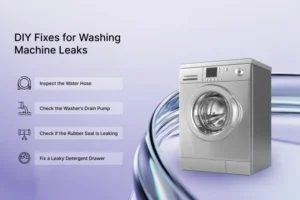
A leaking water hose is often the simplest issue to fix. Unplug the washer first to stay safe. Pull it back slightly from the wall, and inspect the hose connections for looseness or damage. Tighten any loose fittings and look for cracks that could be the problem.
For a washing machine dripping from the bottom, a thorough inspection of the drain pump is essential to identify the issue. Check the hoses and clamps connected to it for any signs of looseness or damage. If you notice anything amiss, tighten the connections or replace the faulty parts to resolve the leak effectively.
A failed water pump is a $200–$350 repair. With a home warranty, you pay a flat service fee, and we send a technician to fix it. Simple.
Over time, rubber seals can degrade, leading to potential leaks. Check the water hoses and their points of connection for moisture or loose fittings. If the water hose washers are damaged, you need to turn off the water and drain the hoses. Replacing all of them with new hose washers will help you avoid future issues.
Detergent drawer leaks can often be traced back to using the wrong type of detergent or overfilling. Double-check that your detergent is compatible with your washer type, and never fill past the max line. Also, make sure you always close the drawer fully before running the machine.
Even after troubleshooting, if your washer keeps leaking or needing frequent repairs, it may be reaching the end of its lifespan. Read our blog to learn the common signs it’s time to replace your washer and dryer.
Honestly? Sometimes yes.
If the leak turns out to be a loose hose connection or a detergent buildup issue, you can fix it in under an hour with no tools and no cost.
But here’s a case worth mentioning that exactly helps you understand where to stop.
A homeowner in Florida noticed his washer leaking from the bottom and decided to fix it himself using YouTube tutorials. Based on their solutions, he replaced the inlet valve and the drain pump, spending close to $400. Despite all that effort, the leak didn’t stop.
Frustrated, he finally called in a technician. The actual issue turned out to be a deeper internal fault that hadn’t been addressed. The DIY attempts didn’t just fail, they complicated the technician’s job. The actual repair was finally done, which added another $300–$500 to his bill. In total, he spent significantly more than a professional diagnosis would have cost on day one.
That’s when he started exploring home warranty options. Given the time, money, and effort already spent, having a plan that could cover both diagnosis and repairs made more sense. He opted for a comprehensive home warranty plan in Florida from Select Home Warranty with an annual premium in the range of $500–$700 and a service fee ($65-$200) per claim.
In his case, what stood out was predictability. Instead of paying out of pocket for every repair attempt, he now had a structured way to handle appliance issues, not just for the washer, but for other major systems as well.
A washing machine leaking from bottom doesn’t have to spell disaster. Staying proactive with regular maintenance, cleaning your washing machine, and tackling small issues before they grow bigger can go a long way. If DIY isn’t your thing or the problem persists, bringing in an expert can save you from further trouble.
A professional repair service is just a call away, especially if you have a home warranty to lean on. Take action now and keep your washer working at its best!
Select Home Warranty covers your washing machine, dryer, refrigerator, dishwasher, and more. When something breaks down, we handle the repair; you just pay one flat service fee.
Yes, a clogged drain filter can restrict water flow, causing pressure to build inside the machine. This can lead to water escaping from underneath, especially during draining cycles. Cleaning the drain filter regularly can prevent this issue.
Repair costs vary depending on the issue:
Yes, home warranty plans cover washing machine repairs caused by normal wear and tear, including components like pumps, motors, and internal parts.
No, it’s not recommended. Water leakage combined with electrical components can pose safety risks, including short circuits. It’s best to stop using the machine until the source of the leak is identified and fixed.

Don’t wait until it’s too late! Check out our current plans and get your free quote.

Home Warranty
Most homeowners buy a home protection plan and assume that's the finish line. But there is something that doesn't get talked about enough: your home warranty works best when your..

Home Warranty
Arizona homes do more than shelter you. They battle dust storms, dry heat, and nonstop wear and tear. And when your refrigerator quits mid-summer or your plumbing gives up after..
Household Tips
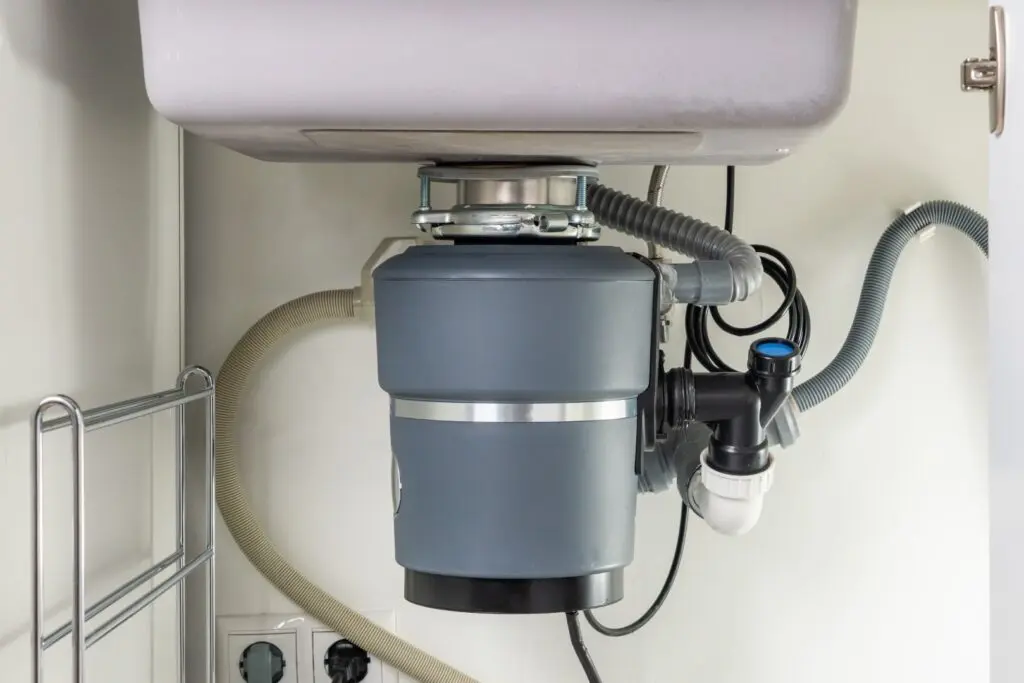
If you’re tired of dealing with rotting food and excess waste, a garbage disposal is perfect for your kitchen. A garbage disposal is an easy-to-use appliance that will save time..