


Ever wonder what keeps your drains flowing and prevents nasty sewer smells from creeping into your home? The answer lies in your plumbing stack, a vertical pipe system most homeowners don’t even know exists.
It is the backbone of your entire drainage setup. Without it, you would be dealing with slow drains, gurgling sounds, and odors you definitely don’t want in your living room. In this blog, we’ll break down what a plumbing stack actually is, how it works, and why it’s such a vital part of your home’s plumbing system.
A plumbing stack is a tall, vertical drain-and-vent pipe that runs through a home, usually hidden inside walls near bathrooms and kitchens. It connects multiple fixtures across floors and directs waste toward the main sewer line while allowing air to move through the system. Think of it like the central column of an apartment building, similar to how high-rise homes in cities like New York rely on shared shafts.
At its core, this system relies on gravity and airflow working together. Every time water leaves a fixture, it enters a vertical pathway designed to move waste downward while allowing air to circulate upward. This balance keeps drainage predictable throughout the home.

PVC dominates new construction because it’s corrosion-proof and easy to install. Houses built before the 1980s typically feature cast iron stacks, which last longer but cost more to replace. Installers route these pipes through walls close to high-use plumbing areas. The roof penetration sits at least 6 inches above the surface to ensure proper air intake and gas release.
This vertical drain column plays several roles at once. While it stays out of sight, its impact is felt every time water goes down a drain. The points below explain why you need this vertical drain-and-vent system in your home.
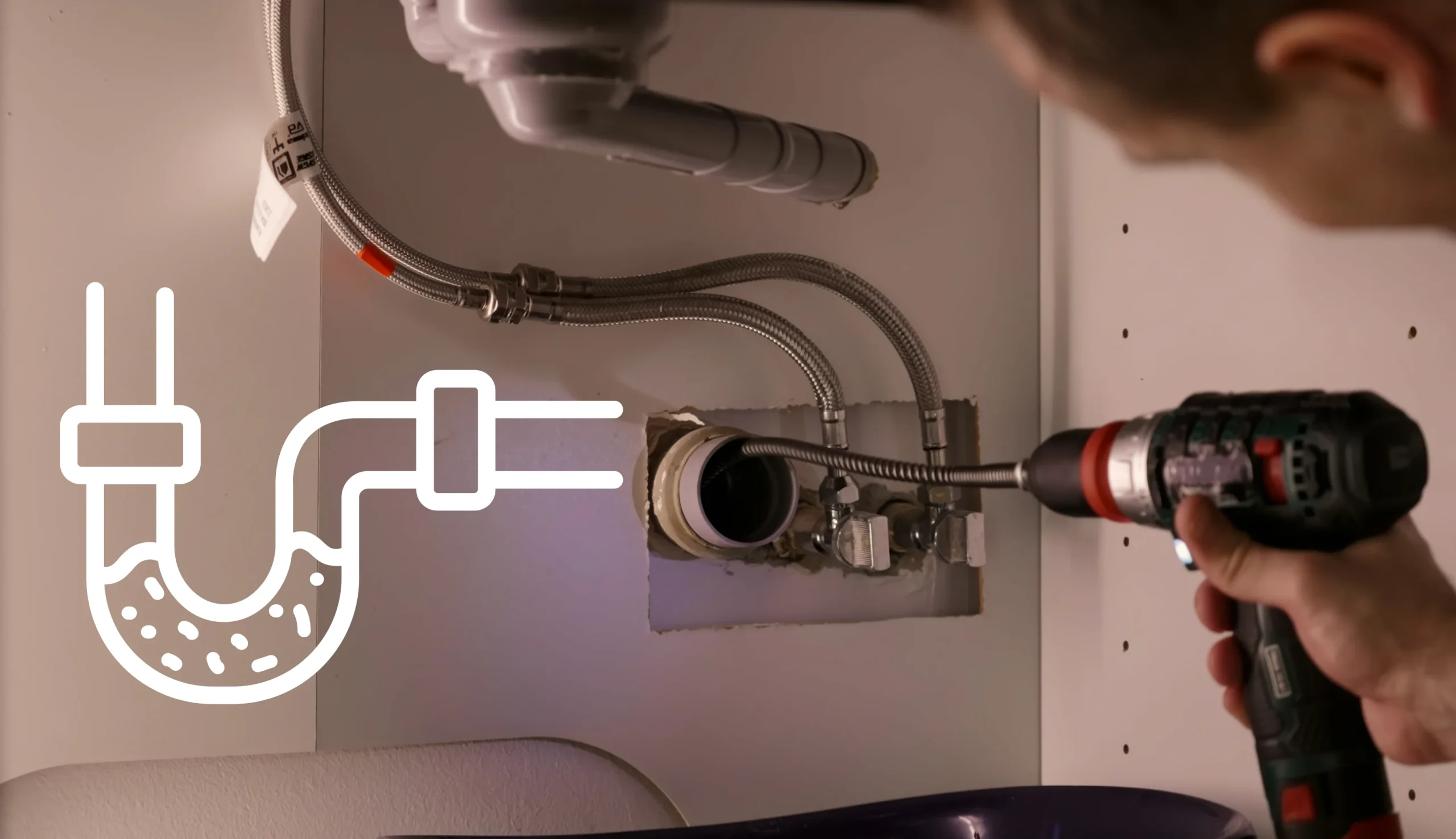
Even though the plumbing and drainage system stays hidden, problems can surface through slow drains, odd noises, or lingering odors. Many of these issues start small but can affect multiple fixtures at once.
The opening on your roof collects leaves, twigs, animal nests, and even snow during the winter months. Blockages prevent air from entering your drain system, creating suction that slows or stops drainage completely. Multiple drains throughout your house will show symptoms at once.
The rubber seal around your roof penetration deteriorates from constant sun exposure and temperature changes. Cracks in this boot allow rainwater to pour into your attic and walls. Regular home inspections, including roofing, catch this problem before water damage spreads.
Homes built before 1980 often have cast-iron stacks that rust from the inside out. The corrosion creates rough interior surfaces where waste catches and builds up. Severe cases result in pipe failure and costly emergency repairs.
Grease, hair, and soap buildup inside the vertical pipe create stubborn clogs. When the main stack blocks up, it can cause a plumbing stoppage, making every fixture in your home back up simultaneously. Toilets won’t flush, showers won’t drain, and wastewater has nowhere to go.
Pipes installed at incorrect angles or with inadequate diameter cause ongoing drainage issues. Water moves too slowly through improperly sloped pipes, allowing waste to settle and create clogs over time.
Settlement, earthquakes, or freezing conditions can crack the pipe wall. You’ll notice damp spots on interior walls or ceilings directly adjacent to the stack. Families in Houston experiencing stack failures often rely on a home warranty in Texas to cover expensive plumbing repairs. Coverage typically includes labor and parts for qualifying system breakdowns.
Plumbing problems often start small and go unnoticed. Staying ahead of problems requires consistent attention to your drainage system. This regular plumbing maintenance checklist helps you avoid costly repairs and system failures.
Plumbing vent stacks don’t last forever, and certain warning signs tell you it’s time for replacement.
Plumbing stack repairs usually aren’t minor fixes. A leak, backup, or vent issue can affect multiple fixtures at once and usually needs quick professional attention. Emergency plumbing visits can get expensive, especially when walls or ceilings must be opened.
Having a trusted home warranty plan helps manage those sudden repair needs. Instead of paying full repair costs upfront, covered plumbing issues are handled through a service request. This makes it easier to get an experienced and qualified plumber involved quickly and avoid large, unexpected expenses.
Wondering which plumbing problems a home warranty covers? Read our blog: Does a Home Warranty Cover Plumbing Systems & Leaks?
Cleaning is needed when multiple drains slow down, toilets gurgle, or sewer odors appear, which often signals a blockage. Even without visible issues, routine cleaning every one to three years helps reduce the risk of future issues.
Replacing typically costs around $6,500, though prices often fall between $3,000 and $9,000 for most homeowners. The final amount varies based on pipe material, stack height, and local labor costs.
Several factors influence the cost of replacement, starting with whether the job involves a full replacement or only a section. Pipe access, material type, local labor rates, the number of connected fixtures, and repairs to walls or floors can also impact the final cost.
Disclaimer: The information in this article is intended to provide guidance on the proper maintenance and care of systems and appliances in the home. Not all the topics mentioned are covered by our home warranty plans. Please review your home warranty contract carefully to understand your coverage.
Our blogs and articles may link to third-party sites that offer products, services, coaches, consultants, and/or experts. Any such link is provided for reference only and not intended as an endorsement or statement that the information provided by the other party is accurate. We are not compensated for any products or services purchased from these third-party links

Don’t wait until it’s too late! Check out our current plans and get your free quote.
Household Tips
One of the top challenges homeowners face when taking care of a house is simply organizing it. For many, appliance maintenance is hidden behind a mountain of other tasks. Start..

Household Tips
Breakdowns around the home are alarming, but some issues in your home are silent until it’s too late. When it comes to mold, termites and radon, these problems can slowly..
Household Tips
Don’t worry, a clogged drain isn’t a reason to use your home warranty unless you notice these troubling signs. We’ll walk you through how to clear a clogged drain in..