

When something in your home breaks down, the first question is usually simple: Is it covered by home warranties? Whether it’s a malfunctioning HVAC unit or a broken dishwasher, understanding what falls under home warranty coverage helps you use your plan wisely. It helps you stay prepared when unexpected repair costs come up, without searching for answers.
Though home warranties are designed to handle the repair or replacement of key systems and appliances affected by everyday use, coverage can vary. Not every item is automatically included, and knowing the scope of your plan upfront helps set clear expectations.
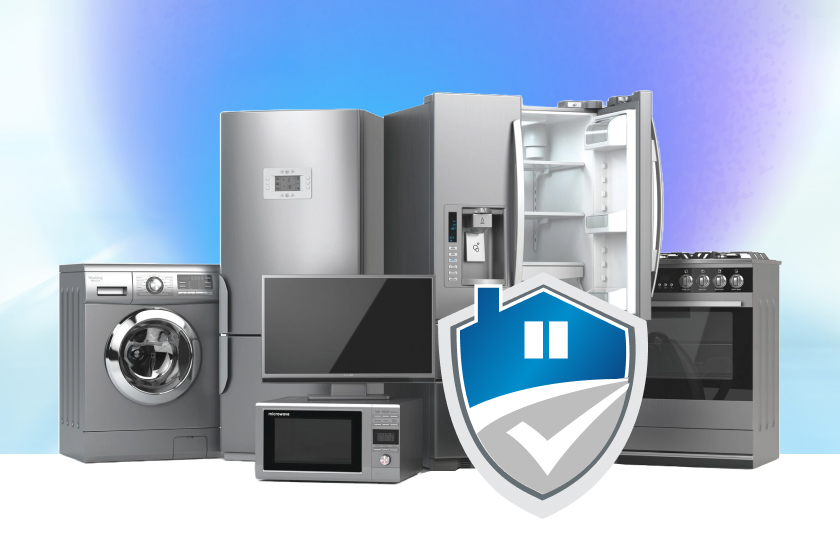
Most home warranty plans cover those everyday systems and appliances you can’t live without. This includes your HVAC, electrical, and plumbing systems, as well as refrigerator, oven, dishwasher, and washer/dryer. It can be a real hassle if there is a breakdown, and it costs a lot to repair or replace. A home appliance warranty provides relief, as all headaches of eligible repairs and costs are taken care of by the service provider.
You can choose coverage based on what matters most in your home. Options typically include systems-only plans, appliance-only plans, or a combination of both. This flexibility allows you to match coverage with your home’s setup, usage, and budget expectations.
Let’s explore the various types of warranty coverage options to help you decide what works best for your home.

If you are focused on protecting essential home systems, a system-only plan might be your best choice. These plans typically cover major home systems, including:
Let’s check one by one what parts or issues are covered by home warranties.
HVAC coverage helps manage repair costs when heating or cooling systems stop working due to regular use. These are among the most expensive systems to fix.
Commonly covered HVAC parts:
For instance, coastal homes in South Portland, Maine face extra wear on HVAC components thanks to salty sea air and humidity swings off Casco Bay, which can accelerate corrosion on outdoor condenser units. Homeowners there often look for the best home warranty provider in South Portland to keep those repair costs predictable despite the harsher coastal conditions.
Plumbing coverage focuses on internal systems that manage water flow, drainage, and basic fixtures inside the home.
Plumbing issues and items usually covered:
Leaks and breaks in water, drain, or vent lines.
Plumbing stoppage, such as clogged drains, sinks, tubs, and toilets.
Faucets, showerheads, and toilet mechanisms.
Water heaters, garbage disposals, and sump pumps.
Electrical coverage supports repairs for internal wiring and components that keep your home powered and functional.
Commonly covered electrical items:
Ductwork coverage supports airflow through your HVAC system and helps maintain indoor comfort.
Commonly Covered Ductwork Items:
Homeowners who prioritize appliances might find appliance-only plans more fitting. Think of it as a safety net for your home’s workhorses. These plans offer coverage for everyday essentials like:
Want everything under one plan? Combination plans bring together the best of both worlds, safeguarding your systems and appliances. The higher the tier, the broader the coverage you receive.
Plus, if you have unique needs, you can add coverage for extras like pools or roof leaks, making your plan work for you.
That’s not just all! You can customize your coverage with optional add-ons designed to protect the extra appliances that matter to you. From pools to additional HVAC systems, these custom features provide flexibility and extra peace of mind. Popular options include:
Additional Coverage Options on Custom Plan:
Your home deserves the best protection. For instance, homeowners in West Virginia cities like Parkersburg, where seasonal weather can put added strain on HVAC and plumbing systems, often compare plans carefully before enrolling. Having a trusted home warranty in Parkersburg ensures your coverage aligns with local repair demands and property types.

Your home is a valuable investment, so your plan should provide effective coverage while keeping your expenses under control. With careful research and consideration, you can make the best choice for your home.
Follow this step-by-step checklist to identify the best plan for your property:
1. Make a List of Essentials You Want Covered
Start by identifying the systems and appliances you rely on most in your daily routine. Consider their age, condition, and past repair history. This helps you decide whether you need systems-only, appliance-only, or combined coverage based on actual usage, not assumptions.
2. Ask for Recommendations from Friends and Neighbors:
Speak with people who are already using home warranties to understand their real experiences. Ask about claim approvals, service timelines, and technician quality. Honest feedback from trusted sources often reveals details you won’t find in promotional material or company websites.
3. Compare Different Warranty Providers
Look beyond pricing when comparing providers. Review customer ratings, claim settlement history, response times, and network of service technicians. A slightly higher premium may be worth it if the provider offers consistent service, reliable support, and fewer complications during the claims process.
4. Review the Details of Plans and Pricing
Carefully read through plan documents to understand coverage limits, service fees, exclusions, and waiting periods. Pay attention to caps on repairs or replacements. A lower-cost plan may seem appealing initially, but it could offer limited coverage when you actually need support.
5. Speak Directly to Providers:
Reach out to providers to clarify anything that isn’t clearly explained in their plans. Ask specific questions about coverage scenarios, home warranty pricing, claim procedures, and service timelines. Direct interaction helps you gauge transparency, responsiveness, and overall customer support before making a final decision.

While home warranty plans cover the cost of repairs or replacements for major systems or appliances, they don’t cover everything. Each provider’s contract has some exclusions, such as issues caused by human error, lack of maintenance, or natural disasters like floods or earthquakes.
Moreover, home warranties typically exclude regular maintenance, as well as issues caused by pre-existing conditions, improper installation, or modifications. To know exactly what is covered under your warranty, you need to check the service provider’s contract. The agreement document clearly defines what is covered, what is excluded, and any optional coverage that may be available. In short, it lists the following:
You have likely realized how a home warranty plays a key role in keeping your home protected year-round. It offers you financial security by covering repairs or replacements for essential systems and appliances affected by normal wear and tear.
However, reviewing coverage limits, exclusions, and the claims process is key to making an informed choice. If you are seeking a reliable plan to fit your needs, Select Home Warranty is your answer. Our home warranty coverage is designed to bring you convenience, savings, and, most importantly, stress-free living.
Contact us today to learn more about home warranties. We’re here to make your decision easier!

Don’t wait until it’s too late! Check out our current plans and get your free quote.

Home Warranty
Florida keeps calling your name, doesn't it? The idea of ditching winter gear for flip-flops year-round sounds pretty good. But hold up! There are important things to know before moving..

Household Tips
A hot tub is the perfect way to relax at the end of a hard day. Of course, when you fire yours up, you don’t want that R&R disrupted by..

Home Warranty
When outdoor temperatures climb past 95 degrees for several days, the breakdown risk rises for heavily used home systems. Air conditioners run longer, refrigerators work harder, and other cooling equipment..